• 15+ Years Commercial Refrigeration Experience
• Certified Cold Room Technicians
• Same-Day Cold Room Repairs Umhlanga
• 24/7 Emergency Breakdown Response
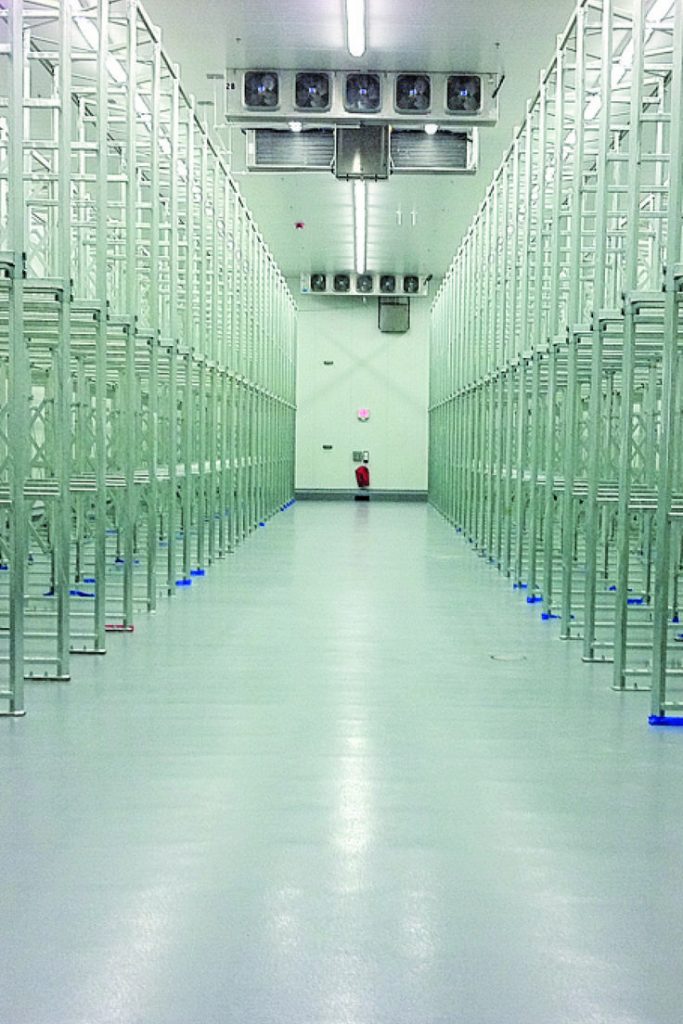
Is your cold room no longer reaching temperature, forming excessive ice, leaking water or running continuously? Appliance Repairs Umhlanga provides professional Cold Room Repairs Umhlanga for restaurants, hotels, guesthouses, supermarkets, butcheries, cafés, bars, caterers, food retailers and other commercial properties.
Our refrigeration technicians diagnose faults affecting chiller rooms, freezer rooms, walk-in refrigerators, modular cold rooms and selected temperature-controlled storage systems. We inspect the complete installation, including the compressor, condenser, evaporator, fans, refrigerant circuit, defrost components, drainage, door seals, temperature controls and insulated enclosure.
A cold-room breakdown can place valuable food, beverages, ingredients and frozen stock at immediate risk. Delaying service may lead to further temperature rise, stock loss, compressor damage and disruption to normal business operations.
Urgent onsite assistance may be available across Umhlanga Ridge, Umhlanga Rocks, Ridgeside, La Lucia, Sunningdale, Izinga, Prestondale, Mount Edgecombe, Cornubia, Umdloti and surrounding commercial areas.
Call or WhatsApp: +27 79 976 2941
Commercial Refrigeration Technicians | Chiller and Freezer Rooms | Urgent Onsite Diagnosis | Local Umhlanga Coverage
A commercial cold room depends on several systems operating together. The insulated room must retain temperature, the refrigeration system must remove heat, the evaporator must circulate cold air, the condenser must reject heat and the controls must maintain the correct setpoint.
When one component stops operating correctly, the cold room may continue running while the internal temperature gradually rises. This can make the fault difficult to notice until stored products are already at risk.
Our technicians begin with a systematic onsite assessment rather than automatically recommending regassing or compressor replacement.
Depending on the system and symptoms, the inspection may include:
Current room temperature
Controller setpoint
Temperature sensors
Compressor operation
Condensing unit
Condenser coil
Condenser fan
Evaporator coil
Evaporator fans
Refrigerant pressure
Accessible pipework
Electrical contactors
Relays and capacitors
Defrost heaters
Defrost timer or controller
Drainage system
Door seals
Door hinges and alignment
Insulated panels
Floor condition
Alarm history
Error codes
Stock-loading conditions
Ventilation around the outdoor equipment
After the fault has been identified, the technician explains the recommended repair and any replacement parts required before work proceeds.
Cold-room faults should be treated urgently when stored products depend on continuous temperature control.
Contact our team promptly when:
The room temperature is rising
Products are beginning to soften or warm
The compressor is not starting
The refrigeration system runs continuously
Ice covers the evaporator
The evaporator fans have stopped
The condensing unit is unusually hot
Water is leaking inside the room
The cold-room door does not seal
The electrical supply keeps tripping
The controller displays an error code
The system switches on and off repeatedly
The room produces unusual smells
Loud grinding or rattling noises are present
A high-temperature alarm has activated
When requesting urgent Cold Room Repairs Umhlanga, provide:
Business name
Exact location
Type of business
Cold room or freezer room
Current temperature
Normal operating temperature
Type of stock stored
Approximate room dimensions
Equipment brand where visible
Controller error code
Time the fault was first noticed
Whether the compressor is running
Whether ice is visible
Whether backup storage is available
Business operating hours
Site access instructions
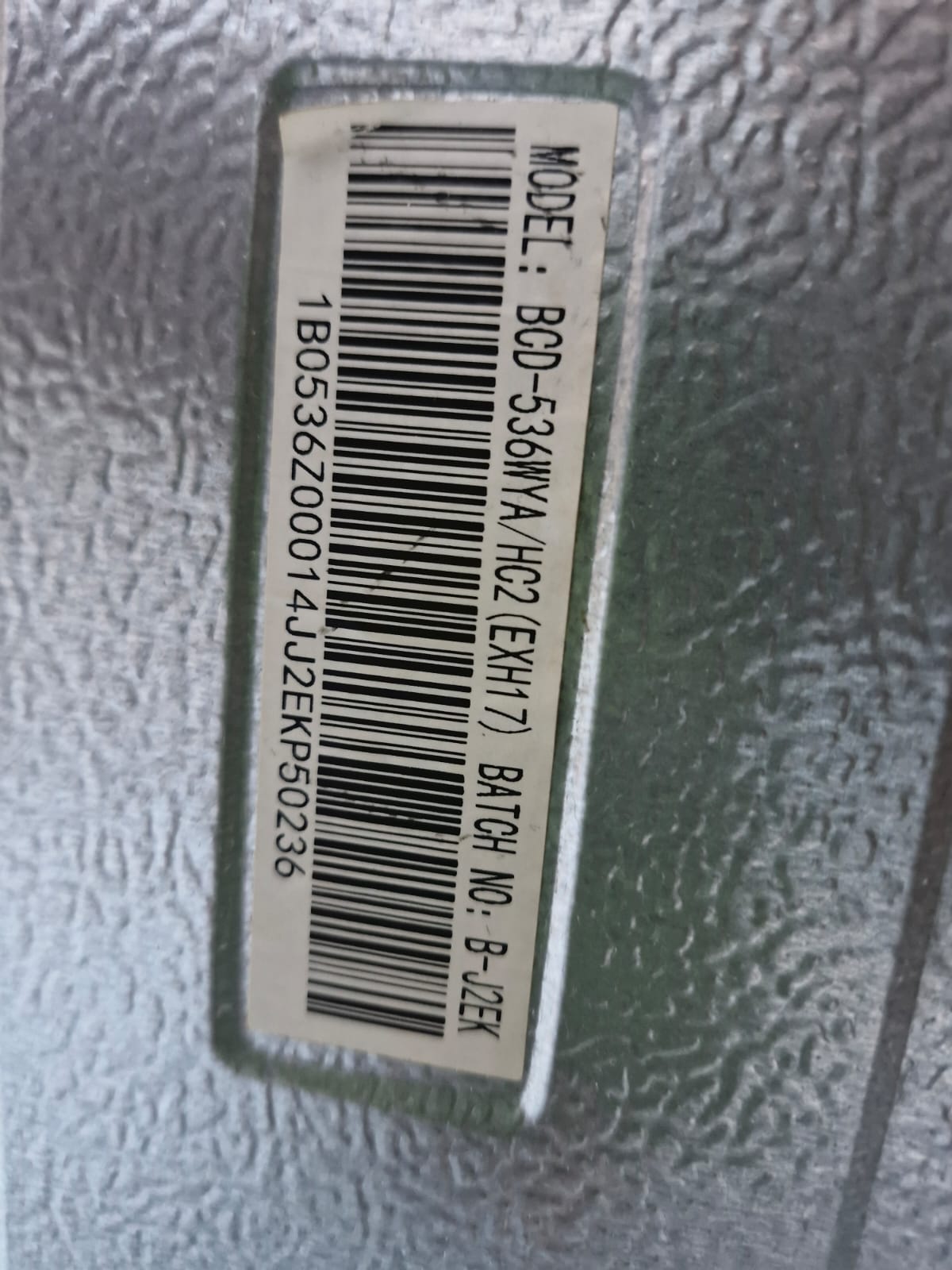
Photos of the controller, evaporator, condensing unit and equipment labels can help our team prepare for the visit.
Immediate action can help reduce stock losses while a technician is being arranged.
Where practical:
Keep the cold-room door closed
Stop unnecessary access
Record the current temperature
Check whether the controller has power
Photograph any error code
Move vulnerable products to working refrigeration
Separate frozen products that are beginning to thaw
Avoid adding warm stock
Do not chip ice from the evaporator
Do not repeatedly reset a tripping breaker
Do not adjust the controller randomly
Contact a refrigeration technician promptly
Businesses should follow their own food-safety, stock-control and temperature-monitoring procedures when deciding whether products remain suitable for use.
Our technicians assess selected commercial and industrial refrigeration systems across the greater Umhlanga area.
Chiller rooms maintain products at controlled temperatures above freezing.
They are commonly used for:
Fresh produce
Dairy products
Beverages
Prepared food
Restaurant ingredients
Flowers
Hospitality supplies
Selected temperature-sensitive products
We repair selected chiller rooms that are running warm, icing up, leaking, cycling incorrectly or failing to maintain stable temperatures.
Freezer rooms operate below freezing and require reliable insulation, defrosting, door sealing and refrigeration performance.
Common freezer-room problems include:
Frozen products softening
Heavy ice buildup
Door freezing shut
Evaporator blocked by ice
Defrost heaters failing
Drain lines freezing
Compressor running continuously
Temperature alarms
Floor frost or condensation
Walk-in refrigerators are commonly installed in restaurants, hotels, guesthouses, shops and catering facilities.
We assess faults involving:
Poor cooling
Uneven room temperature
Fan failure
Refrigerant leakage
Door-seal damage
Control problems
Drainage issues
Electrical faults
Modular cold rooms use insulated panels joined to form a temperature-controlled enclosure.
In addition to refrigeration faults, modular rooms may develop:
Damaged panel joints
Air leakage
Loose corner sections
Moisture entering insulation
Door-frame problems
Damaged floor panels
Condensation around joints
Some installations contain separate chilled and frozen compartments.
A fault may affect:
One temperature zone
Both refrigeration systems
Shared electrical controls
Shared drainage
Door seals
Monitoring systems
The technician identifies whether the problem is isolated or connected to a shared component.
Outdoor systems may experience additional exposure to:
Direct sunlight
Rain
Coastal salt
High ambient temperatures
Corrosion
Blocked condenser airflow
Electrical moisture
Physical damage
Equipment condition and weather protection are considered during diagnosis.
A cold room that remains warm may have:
Dirty condenser coil
Condenser fan failure
Evaporator fan failure
Refrigerant leak
Compressor fault
Faulty temperature sensor
Controller failure
Electrical contactor fault
Excessive ice buildup
Damaged door seal
Poor ventilation
Incorrect control settings
Refrigeration system undersized for current demand
The technician must assess the complete system before recommending refrigerant charging or major component replacement.
A system may cool partially but fail to reach the required setpoint.
Possible causes include:
Frequent door opening
Warm products being loaded
Air leaking around the door
Dirty condenser
Weak compressor
Low refrigerant
Evaporator icing
Fan performance problems
Damaged insulation
Incorrect controller calibration
Excessive room heat load
Inadequate equipment capacity
The technician considers both equipment condition and how the room is being used.
A refrigeration system that rarely switches off may be struggling to remove the incoming heat.
Possible causes include:
Door not sealing
Incorrect temperature setting
Dirty condenser
Low refrigerant
Ice-covered evaporator
Sensor problem
Warm stock loading
High ambient temperature
Weak compressor
Damaged insulation
Room overloaded with stock
Airflow blocked by shelving or products
Continuous operation can increase electricity consumption and place additional strain on the compressor.
Possible causes include:
No electrical supply
Tripped breaker
Damaged isolator
Faulty contactor
Failed capacitor
Relay problem
Overload protection
Controller fault
Compressor winding failure
Incorrect voltage
High-pressure or low-pressure safety shutdown
A compressor should be tested together with its electrical and control components before replacement is recommended.
Compressor overheating may be caused by:
Dirty condenser coil
Failed condenser fan
Restricted ventilation
Refrigerant shortage
Excessive refrigerant
High system pressure
Low voltage
Electrical connection problems
Continuous operation
Internal compressor wear
Excessive ambient temperature
Switch the system off and arrange urgent inspection if the compressor is extremely hot, repeatedly shuts down or produces a burning smell.
A cold room that is not cooling does not automatically need gas.
Refrigerant circulates inside a sealed system and should not normally disappear. When refrigerant is low, the system may have:
Leaking pipework
Damaged flare or brazed connections
Evaporator leakage
Condenser leakage
Compressor connection faults
Corrosion
Vibration damage
Previous incomplete repair
Damaged service valves
A professional refrigeration service may include:
Pressure assessment
Leak detection
Inspection of accessible pipework
Repair of an accessible leak
Pressure testing
System evacuation
Correct refrigerant identification
Measured charging
Temperature testing
Adding refrigerant without repairing the source of the leak may restore cooling only temporarily.
The evaporator absorbs heat from the room and distributes cold air through its fans.
Possible evaporator faults include:
Ice buildup
Refrigerant leakage
Fan failure
Damaged coil fins
Blocked airflow
Defrost heater failure
Sensor faults
Drainage problems
Corrosion
Loose electrical connections
Products and shelving should not block the evaporator inlet or discharge airflow.
Most cold rooms use fans in both the evaporator and condensing unit.
A failed evaporator fan may cause:
Uneven room temperatures
Warm areas
Ice buildup
Weak airflow
Compressor running continuously
Temperature alarms
Grinding noises
A failed condenser fan may cause:
High pressure
Compressor overheating
Poor cooling
Electrical shutdown
Long running cycles
Outdoor-unit noise
The technician may inspect the motor, blades, capacitor, wiring and controller output.
Heavy ice around the evaporator can restrict airflow and prevent the room from reaching temperature.
Possible causes include:
Defrost heater failure
Faulty defrost timer
Controller fault
Temperature-sensor problem
Door left open
Damaged door seal
High moisture entering the room
Blocked drain
Fan failure
Incorrect defrost settings
Do not remove ice using knives, screwdrivers or other sharp objects. This can damage the evaporator and release refrigerant.
Low-temperature systems require controlled defrost cycles to remove ice from the evaporator.
The defrost system may include:
Electric heaters
Hot-gas controls
Defrost timer
Electronic controller
Temperature sensors
Fan-delay controls
Drain heater
A failed defrost system may cause:
Evaporator buried in ice
Fans striking ice
Warm room temperature
Water overflowing after defrost
Ice returning quickly
Door or drain freezing
High-temperature alarms
Manually melting the ice may provide temporary cooling, but the buildup will return until the underlying fault is repaired.
Condensation and defrost water must flow safely away from the evaporator.
Drainage faults may cause:
Water collecting inside the room
Ice forming on the floor
Bad smells
Water leaking through panels
Drain trays overflowing
Slippery surfaces
Damage to stored products
Water reaching electrical components
The fault may involve:
Blocked drainpipe
Frozen drain
Incorrect pipe slope
Damaged drain tray
Failed drain heater
Dirt or organic buildup
Poor installation
The temperature controller manages compressor operation, fans, defrost cycles and alarms.
Possible controller-related faults include:
Incorrect temperature display
Compressor not switching on
Compressor running continuously
Defrost not starting
Fans not operating
Error codes
Settings changing unexpectedly
Display remaining blank
High-temperature alarm
Sensor errors
The controller should not be replaced before its power supply, sensors, wiring and outputs have been tested.
Temperature and evaporator sensors help the system manage cooling and defrosting.
A faulty sensor may cause:
Incorrect displayed temperature
Room becoming too warm
Room becoming too cold
Compressor cycling incorrectly
Defrost ending too early
Defrost continuing too long
Error codes
Alarm activation
Sensor placement and calibration may also affect control accuracy.
Commercial refrigeration equipment relies on contactors, relays, capacitors, isolators, circuit protection and control wiring.
We assess selected faults involving:
No power
Tripping breakers
Burnt contactors
Loose terminals
Failed capacitors
Damaged isolators
Melted wiring
Overload faults
Controller power loss
Fan electrical faults
Compressor startup problems
Switch the equipment off when there is smoke, sparking, burning smells or exposed wiring.
Electrical repairs must be completed by appropriately skilled persons.
A damaged door gasket allows warm, humid air to enter.
This can cause:
Ice buildup
Condensation
Long compressor cycles
Rising temperature
Increased electricity consumption
Water around the doorway
Door freezing
Product temperature variation
Signs of a door-seal problem include:
Visible gaps
Torn or hardened gasket
Light visible around the frame
Door failing to close
Damaged hinges
Loose handle
Misaligned door frame
The door may become difficult to close because of:
Worn hinges
Damaged frame
Loose fittings
Floor movement
Ice around the entrance
Broken handle
Damaged closer
Worn gasket
Panel misalignment
A freezer-room door should also have a working internal safety-release mechanism where applicable.
Insulated panels help prevent heat and moisture from entering the room.
Panel problems may include:
Damaged surfaces
Open joints
Air leaks
Moisture penetration
Swollen panels
Corrosion
Impact damage
Loose ceiling sections
Floor-panel damage
Failed sealant
Damaged insulation may cause the refrigeration equipment to run for longer periods even after mechanical components have been repaired.
Cold-room flooring may develop:
Cracks
Loose finishes
Water pooling
Ice buildup
Damaged insulation
Lifting surfaces
Slippery areas
Drainage problems
Structural movement
Freezer-floor damage should be inspected promptly because heat and moisture entering beneath the room can contribute to ongoing frost and structural problems.
Water inside or around a cold room may come from:
Blocked evaporator drain
Frozen drainage
Defrost water
Damaged panel joints
Poor door sealing
Condensation
Plumbing leaks
Cleaning water
Damaged drain tray
The source should be identified rather than assuming every leak comes from the refrigeration equipment.
New or loud noises may come from:
Fan blades striking ice
Worn fan bearings
Compressor vibration
Loose pipework
Damaged mounting brackets
Contactor chatter
Refrigerant flow
Loose panels
Drain pump
Electrical components
Record a short video where safe and send it through WhatsApp.
Repeated electrical tripping may indicate:
Compressor fault
Defrost heater failure
Fan-motor fault
Moisture in electrical parts
Damaged wiring
Burnt contactor
Short circuit
Incorrect circuit protection
Earth leakage
Overloaded electrical supply
Do not repeatedly reset the breaker without identifying the fault.
A high-temperature alarm may activate because:
The door was left open
Warm stock was loaded
The compressor stopped
Evaporator fans failed
Refrigerant is low
The condenser is dirty
The sensor is faulty
Ice blocks airflow
Power was interrupted
The controller settings changed
The alarm should not simply be silenced without checking the actual room temperature.
Restaurants depend on reliable refrigeration for meat, vegetables, dairy products, prepared ingredients and beverages.
We assist selected restaurants with:
Chiller room not cooling
Freezer room warming
Evaporator icing
Door-seal damage
Compressor faults
Water leaks
Controller errors
Fan failure
Refrigerant leakage
Electrical faults
Commercial kitchens can expose condensing equipment to heat, grease and restricted ventilation. These conditions should be considered during diagnosis.
Hotels and guesthouses in Umhlanga may rely on cold rooms for restaurants, bars, breakfast services, events and banqueting operations.
We assist selected hospitality properties with:
Walk-in chiller faults
Freezer-room breakdowns
Beverage cold rooms
High-temperature alarms
Door problems
Defrost faults
Drainage failures
Refrigerant leaks
Compressor and fan faults
Property managers should provide equipment location, loading access, guest-area restrictions and operational urgency when booking.
Supermarkets and food retailers may use separate cold rooms for:
Dairy
Meat
Fresh produce
Beverages
Frozen food
Prepared meals
Bakery ingredients
A failure in one storage area may affect display refrigerators and stock rotation throughout the business.
Provide the current temperature, stock type and whether alternative storage is available when requesting urgent service.
Butcheries require dependable refrigeration for fresh and frozen meat storage.
Common faults include:
Temperature rise
Ice-covered evaporator
Door not sealing
Fan failure
Drain blockage
Compressor overheating
Controller faults
Refrigerant leakage
The technician should also consider cleaning practices, stock arrangement, door use and airflow around stored products.
Beverage cold rooms may experience frequent door opening and heavy stock movement.
We repair selected faults involving:
Slow temperature recovery
Weak cooling
Door-seal damage
Condenser overheating
Fan failure
Controller problems
Refrigerant loss
Water leaks
Door usage during peak trading should be considered when assessing performance.
Catering operations may store changing volumes of chilled and frozen products.
A system that performs normally at low stock levels may struggle after a large warm delivery.
Our assessment may consider:
Loading patterns
Product entry temperature
Door-opening frequency
Airflow around stock
Room capacity
Existing refrigeration performance
Future demand
Retail businesses may depend on cold rooms to supply display fridges, beverage coolers and frozen-food cabinets.
Prompt repair can help avoid disruption to stock replenishment and customer service.
We diagnose selected refrigeration, electrical, drainage, control and enclosure faults.
Commercial refrigeration equipment around Umhlanga Rocks, La Lucia, Umdloti and other coastal areas may be exposed to humid, salt-laden air.
Coastal exposure may contribute to:
Condenser coil corrosion
Rusted equipment frames
Damaged fasteners
Corroded electrical terminals
Pipework deterioration
Refrigerant leaks
Reduced heat transfer
Outdoor fan damage
Coastal conditions do not cause every cold-room failure, but corrosion should be considered when inspecting outdoor condensing equipment.
Regular coil cleaning and early treatment of corrosion may help reduce more serious damage.
Routine maintenance can identify developing faults before the room experiences a complete breakdown.
A maintenance visit may include:
Checking room temperature
Cleaning condenser coils
Inspecting evaporator coils
Checking fan operation
Inspecting refrigerant symptoms
Testing door seals
Clearing drains
Checking defrost operation
Testing controllers and sensors
Inspecting electrical terminals
Checking compressor performance
Inspecting panel joints
Reviewing alarms
Checking coastal corrosion
Maintenance frequency depends on the equipment, environment, operating hours and business usage.
The condenser releases heat removed from the cold room.
When it becomes blocked by dust, lint, grease or coastal contamination, the system may experience:
Higher operating pressure
Compressor overheating
Longer running cycles
Increased electricity use
Poor cooling
Safety shutdowns
Shortened equipment life
Restaurant and kitchen environments may require more frequent cleaning because airborne grease can collect on condenser surfaces.
Repair may be practical when:
The room panels remain in good condition
The fault involves a replaceable component
The compressor is repairable or replaceable
Compatible parts remain available
The system capacity suits the room
Door and floor damage are limited
The repair cost is reasonable
The installation has not experienced repeated major failures
Replacement or refurbishment may be more practical when:
Refrigeration equipment is badly corroded
The system is consistently undersized
Panels have absorbed moisture
The floor is structurally damaged
Several major components have failed
Refrigerant leakage is extensive
Parts are no longer available
Energy consumption is excessively high
Repair costs approach replacement value
A site assessment helps determine whether targeted repairs, equipment replacement or complete refurbishment offers better long-term value.
An older cold room may sometimes be restored through a combination of repairs and upgrades.
Refurbishment may include:
Replacing the condensing unit
Replacing the evaporator
Installing a new controller
Replacing sensors
Repairing or replacing the door
Installing new gaskets
Repairing panel joints
Improving drainage
Replacing lighting
Upgrading alarms
Repairing flooring
Reorganising pipework
Addressing coastal corrosion
The scope depends on the age, condition and required operating temperature.
Call or WhatsApp +27 79 976 2941 with your business name, location and description of the fault.
Tell us the current temperature, normal setpoint, type of stock and whether products are already warming.
Provide photos of the controller, evaporator, condensing unit, error codes and equipment labels where possible.
Our team confirms technician availability, access arrangements and operational urgency.
The technician assesses the refrigeration system, electrical controls, airflow, drainage, door and enclosure.
The likely cause and any connected problems are explained.
The customer receives a recommendation based on the inspection and required parts.
The customer decides whether to proceed. The call-out fee is waived when the approved repair is completed by our team.
The technician tests the affected components and monitors system operation.
A cold room may require time to return to its set temperature, particularly when the room is warm or heavily loaded.
The customer receives guidance on reopening, loading and monitoring the room.
Where safe and practical:
Keep access to the equipment clear
Record the room temperature
Photograph error codes
Identify when the fault began
Provide access to the condensing unit
Provide access to the electrical isolator
Move stock away from the evaporator
Explain previous repair history
Inform building security
Provide roof or plant-room access arrangements
Keep maintenance records available
Identify the person authorised to approve work
Do not open electrical panels or refrigeration valves.
Switch off the refrigeration system and arrange urgent assistance where safe if you notice:
Smoke
Sparking
Burning smells
Melted electrical wiring
Repeated breaker trips
Severe compressor overheating
Damaged refrigerant pipes
Water around electrical equipment
Loud mechanical grinding
Loose ceiling panels
Exposed live components
Strong chemical or unusual smells
Do not touch electrical equipment while standing in water.
Our mobile technicians provide Cold Room Repairs Umhlanga across:
Umhlanga Ridge
Umhlanga Rocks
Umhlanga Central
Umhlanga New Town Centre
Ridgeside
La Lucia
La Lucia Ridge
Sunningdale
Somerset Park
Izinga
Prestondale
Herrwood Park
Hawaan
Mount Edgecombe
Cornubia
Blackburn Estate
Glenashley
Umdloti
Durban North
Selected nearby commercial areas
Businesses outside these locations may contact us to confirm technician availability.
We assess the complete cold-room system rather than focusing on one visible symptom.
Prompt service may be available when food, beverages or commercial stock are at risk.
We repair selected positive-temperature cold rooms and low-temperature freezer rooms.
We serve restaurants, hotels, guesthouses, supermarkets, butcheries, caterers and other local businesses.
We check airflow, fans, controls, electrical components and defrost systems before recommending refrigerant work.
Corrosion, salt exposure and outdoor-unit ventilation are considered when inspecting equipment near the coast.
Our diagnosis may include the refrigeration system, doors, seals, panels, drainage, flooring and controls.
The fault, repair options and parts requirements are explained before the customer decides whether to proceed.
Businesses can send controller photos, error codes, equipment labels and temperature readings through WhatsApp.
Urgent attendance may be available depending on booking time, technician schedules, location and system type.
Possible causes include dirty condensers, fan faults, refrigerant leaks, compressor problems, controller faults, ice buildup or damaged door seals.
The system may have restricted airflow, low refrigerant, weak refrigeration capacity, a damaged seal, sensor faults or excessive heat load.
Possible causes include warm air entering, dirty condenser coils, refrigerant shortage, ice buildup, heavy stock loading or a weakening compressor.
Not necessarily. The system should be tested for airflow, electrical, control, fan and defrost faults before regassing is recommended.
The defrost heater, timer, sensor, drain or door seal may be faulty, or humid air may be entering the room.
A drain may be blocked or frozen, the drain tray may be damaged or condensation may be entering through poor seals.
The fan motors, wiring, controller, contactor, door switch or defrost cycle may be responsible.
Possible causes include a compressor fault, damaged heater, fan-motor fault, moisture, burnt wiring or electrical overload.
Yes. We assess selected freezer rooms with cooling, defrost, drainage, compressor, fan and control faults.
Yes. We repair selected walk-in chiller and refrigeration systems used by businesses.
We assess selected door-seal, hinge, alignment, handle and closing problems.
Selected gaskets can be replaced after the door dimensions and profile have been confirmed.
Selected panel joints, surface damage, sealing and insulation problems may be assessed.
We diagnose compressor and startup faults. Repair or replacement depends on the system and component condition.
Yes. Refrigerant leak assessment may be completed where gas loss is suspected.
Recovery time depends on room size, starting temperature, stock load, door use and refrigeration capacity.
Yes. We assist selected restaurants, hotels, guesthouses, supermarkets and other commercial properties.
This depends on the condition of the refrigeration equipment, panels, floor, doors, controls and the cost of repairs.
Call or WhatsApp +27 79 976 2941 with your business location, current temperature, normal setpoint and fault description.
Do not wait until chilled or frozen stock is completely lost. A cold room that is warming, icing up, leaking or running continuously requires prompt professional diagnosis.
Contact Appliance Repairs Umhlanga for commercial cold-room and freezer-room repairs across the greater Umhlanga area.
Call or WhatsApp:
+27 79 976 2941
Email:
info@appliancerepairsumhlanga.co.za
Address:
2 Ncondo Place, Ridgeside Drive, Umhlanga Ridge, Durban, 4319, South Africa

| Day | Standard Service Hours | Emergency Appliance Repair Support |
|---|---|---|
| Monday | 07:30 – 18:00 | Available after hours, subject to technician availability |
| Tuesday | 07:30 – 18:00 | Available after hours, subject to technician availability |
| Wednesday | 07:30 – 18:00 | Available after hours, subject to technician availability |
| Thursday | 07:30 – 18:00 | Available after hours, subject to technician availability |
| Friday | 07:30 – 18:00 | Available after hours, subject to technician availability |
| Saturday | 08:00 – 16:00 | Emergency bookings may be available |
| Sunday | By appointment | Emergency appliance repair support available, subject to availability |
| Public Holidays | By appointment | Urgent appliance and refrigeration support may be available |
For urgent breakdowns involving fridges, freezers, cold rooms, ice machines, geysers, gas appliances, electrical tripping or major water leaks, call or WhatsApp +27 79 976 2941.
Emergency attendance is subject to technician availability, location, appliance type, site access and parts availability. Same-day or after-hours service cannot always be guaranteed.
Professional onsite repairs for domestic and commercial appliances across Umhlanga and nearby areas. We repair fridges, washing machines, dishwashers, stoves, ovens, tumble dryers, air conditioners, geysers, ice machines, gas appliances and cold rooms.