Is your gas stove failing to ignite, producing a weak flame, clicking continuously or giving off an unusual gas smell? Appliance Repairs Umhlanga provides professional Gas Stove Repairs Umhlanga services for homes, apartments, estates, restaurants, hotels, guesthouses and other commercial properties.
We diagnose faults affecting gas hobs, freestanding gas stoves, built-in gas cooktops and selected dual-fuel appliances. Our service covers common problems involving burners, igniters, electrodes, burner caps, control knobs, flame control and related components.
Gas appliances require careful inspection because a minor ignition or burner problem may also indicate restricted gas flow, an incorrect burner assembly, damaged components or a potential leak. Stop using the appliance and request professional assistance when the stove smells of gas, produces an unstable flame or fails to switch off correctly.
Same-day onsite assistance may be available across Umhlanga Ridge, Umhlanga Rocks, La Lucia, Sunningdale, Izinga, Prestondale, Herrwood Park, Somerset Park, Mount Edgecombe, Cornubia and surrounding areas.
Call or WhatsApp: +27 79 976 2941
Onsite Fault Diagnosis | Domestic and Commercial Gas Stoves | Same-Day Availability | Local Umhlanga Service
A properly operating gas stove should ignite reliably, produce a stable flame and respond correctly when the control knob is adjusted. When any of these functions become unreliable, the appliance should be inspected before the problem becomes more serious.
Our technicians assess the reported symptoms and inspect the relevant stove components before recommending repairs.
Depending on the appliance and fault, the assessment may include:
Burner caps
Burner heads
Burner ports
Ignition electrodes
Spark generators
Ignition switches
Control knobs
Gas valves
Thermocouples
Flame-failure devices
Gas hoses
Regulators
Pipe connections
Appliance seals
Electrical ignition wiring
Dual-fuel electrical components
Repairs involving the gas installation, pipework alterations or certification must be completed by an appropriately registered gas practitioner.
A gas stove fault can interrupt meal preparation and may create a safety concern when gas does not ignite correctly.
Contact our team promptly when:
A burner does not ignite
The igniter clicks but there is no flame
Ignition continues clicking after the flame appears
The flame is weak or uneven
The flame is unusually yellow
The burner switches off unexpectedly
The flame does not remain lit
A control knob is stuck
A burner will not switch off
You smell gas near the appliance
The stove makes unusual popping sounds
Only some burners are working
The electric ignition has no power
The stove trips the electricity
The gas oven is not heating correctly
Same-day service depends on the time of booking, technician availability, property access and the nature of the fault.
When contacting us, provide:
Your suburb
Stove brand
Model number
Appliance type
Number of faulty burners
Description of the problem
Whether you have smelled gas
Whether the appliance uses a cylinder or fixed gas supply
Photos or a short video where safe
Building or estate access instructions
Our Gas Stove Repairs Umhlanga service covers selected domestic and commercial gas cooking appliances.
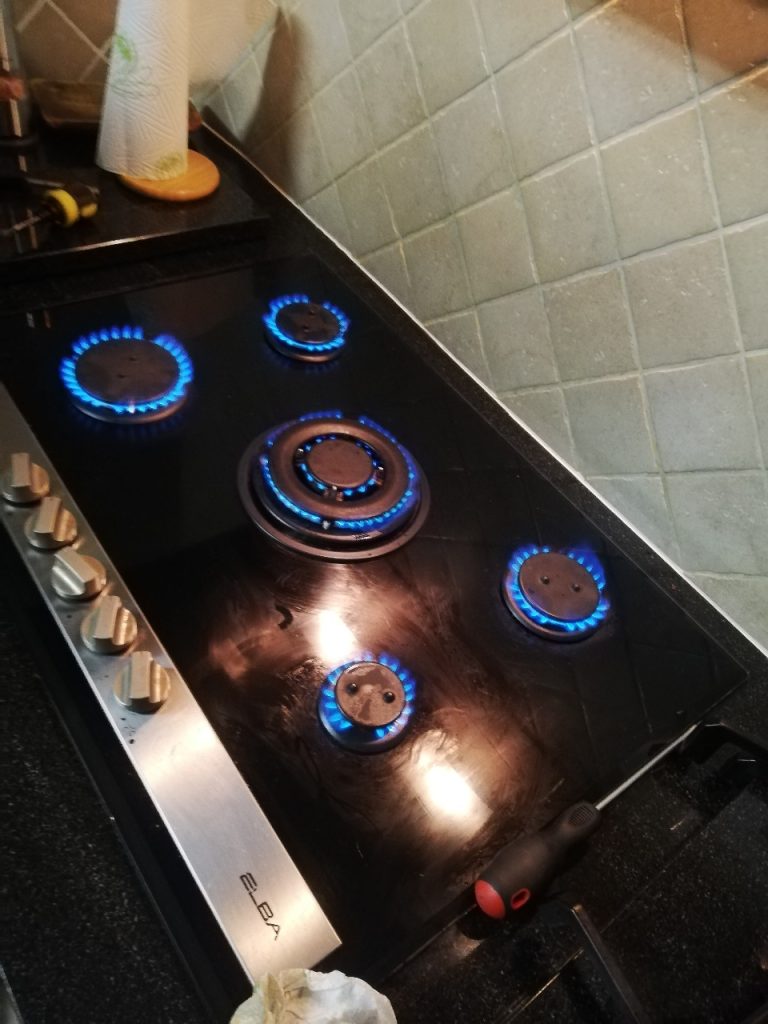
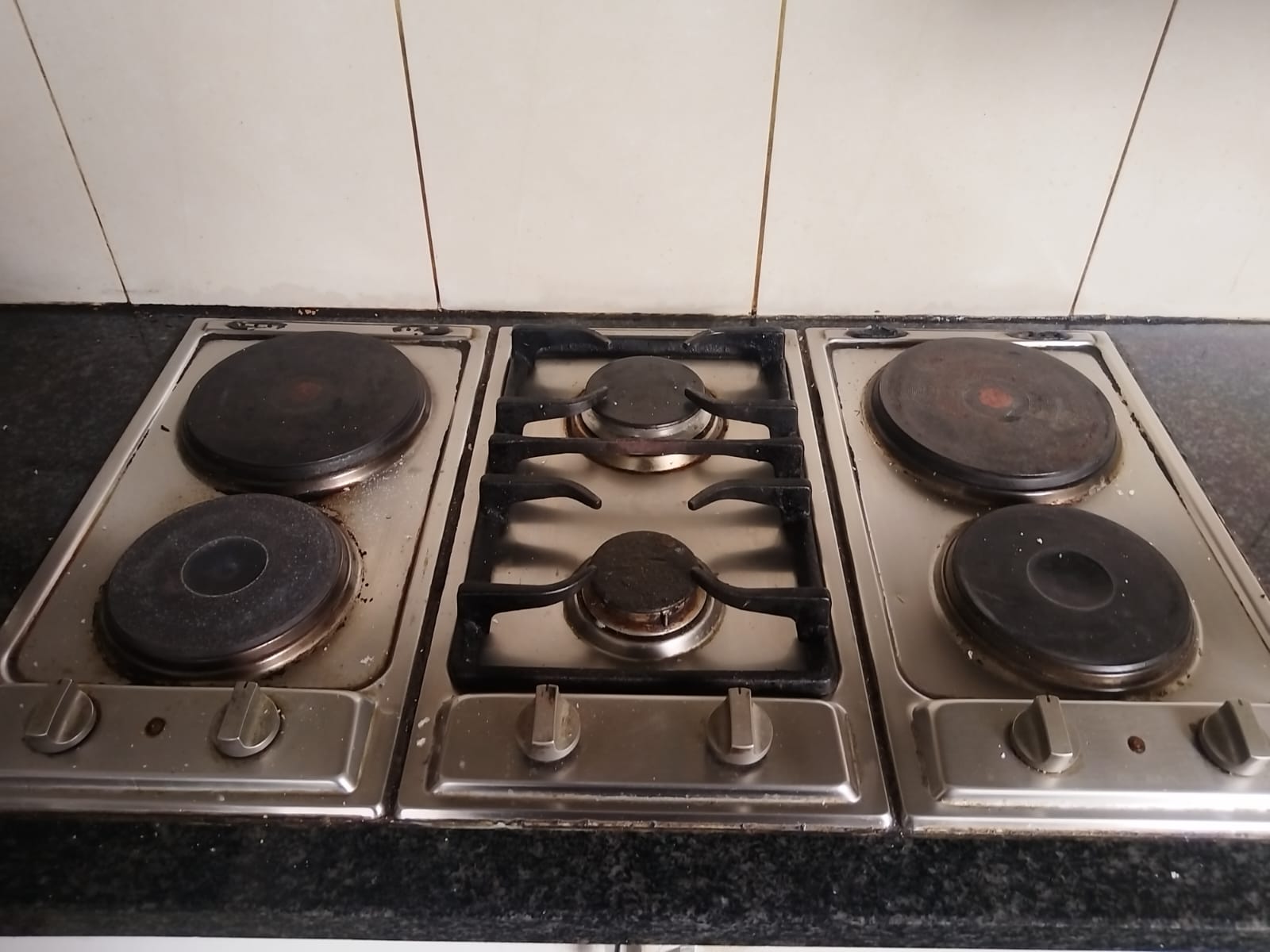
Built-in gas hobs are common in modern Umhlanga apartments, estates and fitted kitchens. We diagnose ignition, burner, control and flame problems while taking care around countertops and surrounding cabinetry.
Freestanding gas cookers may combine several burners, a gas oven, an electric oven or an electric grill. The technician identifies which section of the appliance is causing the fault.
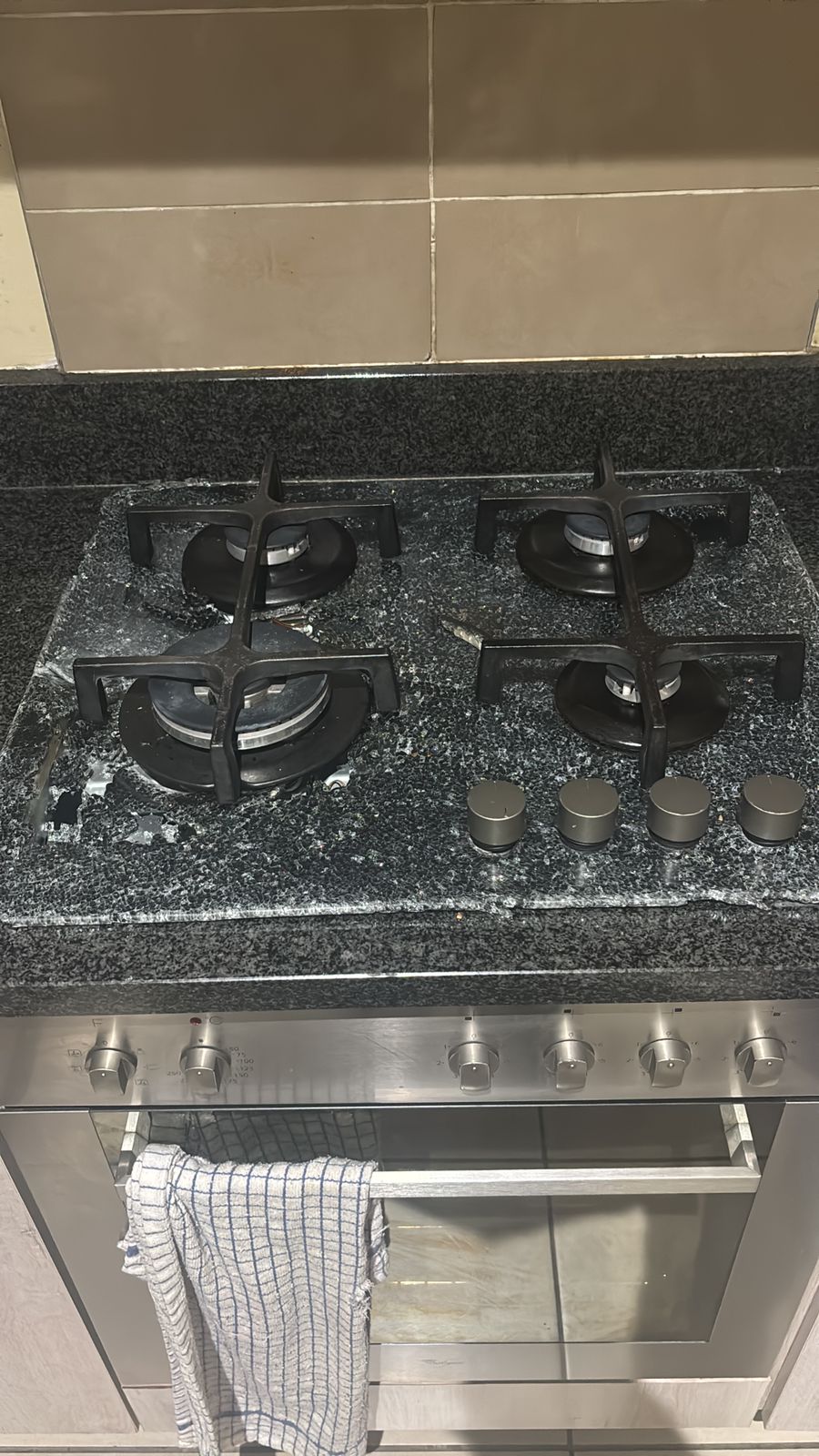
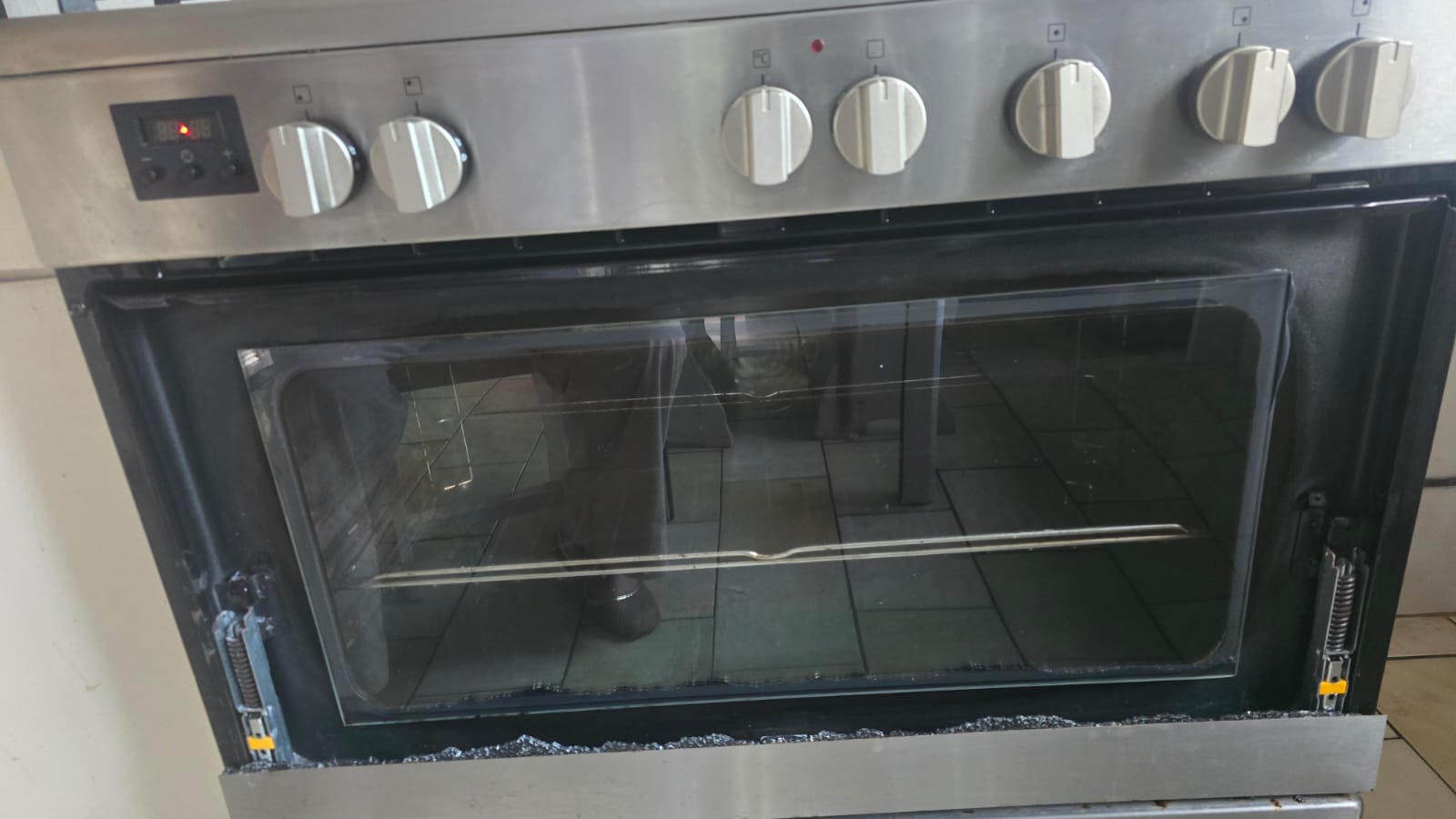
Gas-on-glass appliances require careful handling because damaged or cracked glass may make the appliance unsafe to continue using.
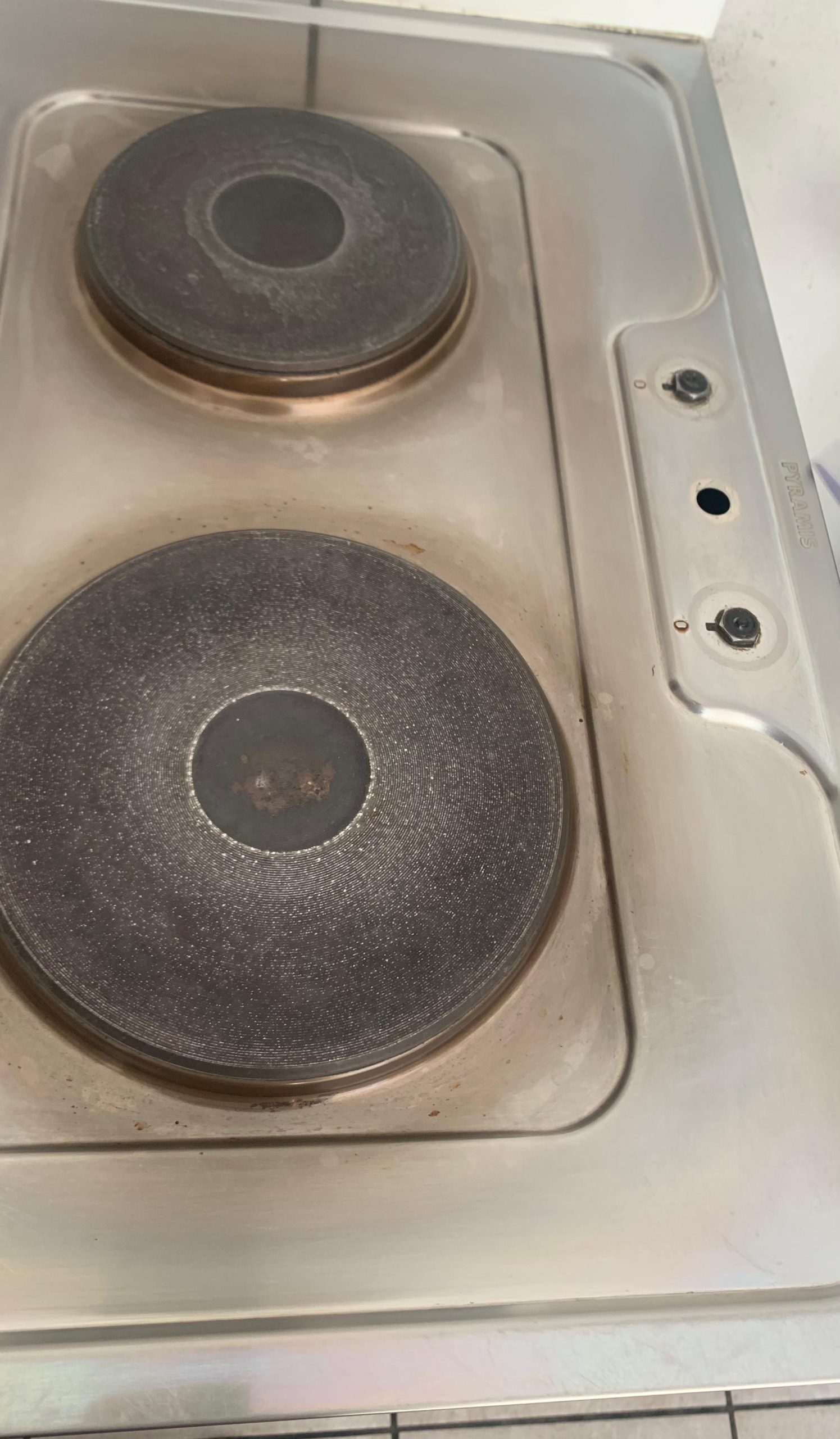
Dual-fuel cookers combine gas burners with an electric oven or grill. The fault may involve the gas system, ignition controls or electrical components.
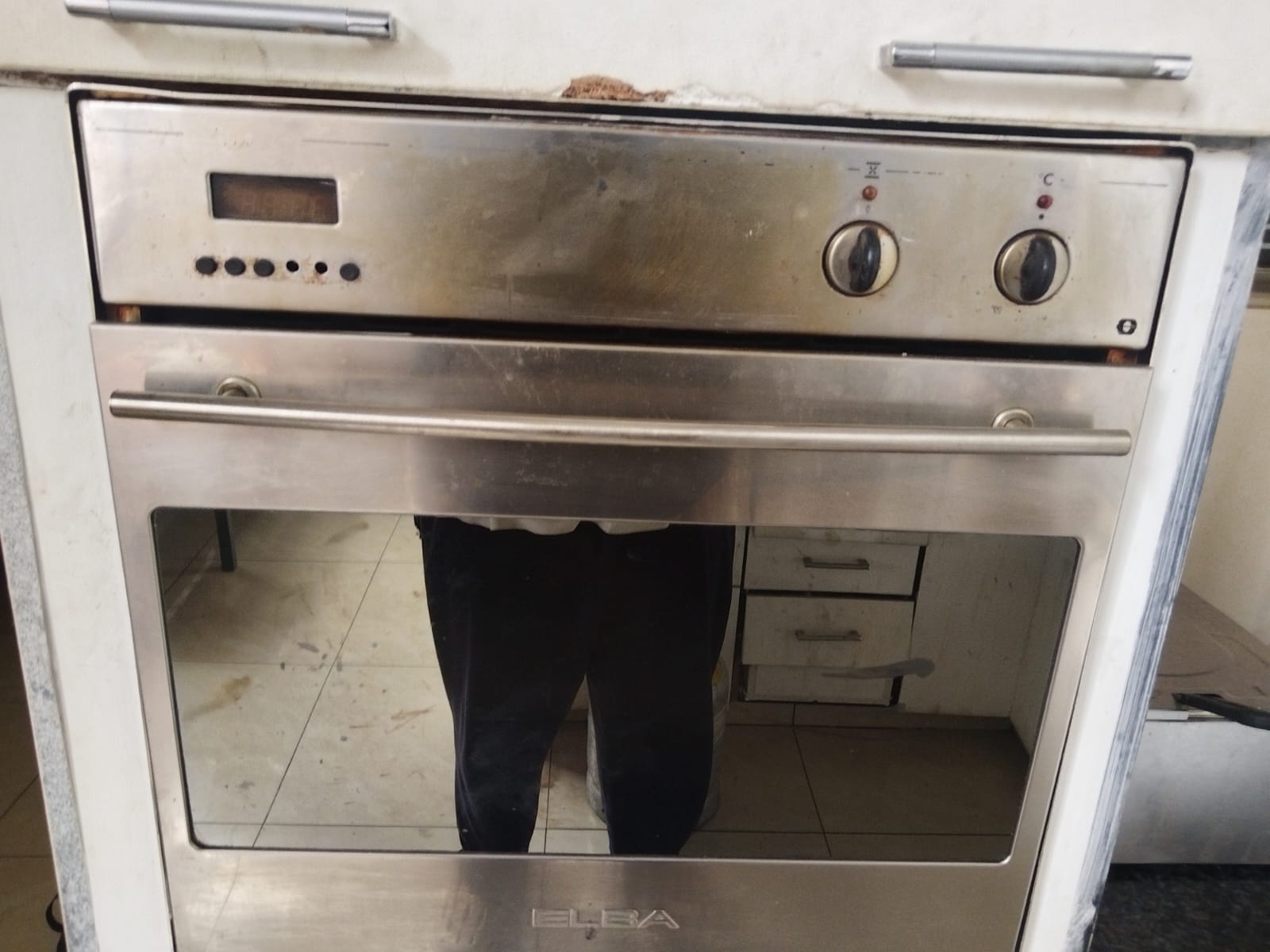
We assess selected gas ovens that fail to ignite, do not remain lit, heat unevenly or fail to reach the selected temperature.
Selected restaurant, café, hotel and guesthouse cooking appliances may be assessed depending on the appliance type, installation and technician requirements.
A burner that does not ignite may have:
A dirty burner head
Blocked burner ports
A wet ignition electrode
A damaged electrode
A misaligned burner cap
A failed ignition switch
A faulty spark generator
Loose ignition wiring
Restricted gas flow
The burner should be allowed to dry completely after cleaning. If the fault continues, professional diagnosis is recommended.
When the igniter produces a spark but the burner does not light, the problem may involve blocked gas openings, incorrect burner-cap positioning, restricted gas supply or a weak spark.
Repeatedly turning the knob without ignition can allow unburned gas to accumulate. Turn the burner off and ventilate the room before trying again.
Continuous clicking may be caused by:
Moisture around the ignition switches
Food or liquid spills
A stuck ignition switch
Misaligned burner parts
Damaged wiring
A faulty spark module
Switch off the electrical supply to the ignition system where safe if clicking continues after all control knobs are off.
A weak flame may result from:
Blocked burner ports
Low cylinder pressure
A faulty regulator
Restricted gas supply
Incorrect burner assembly
Damaged gas controls
Pipework problems
Do not enlarge burner holes with pins, knives or other sharp objects.
An uneven flame often develops when burner ports are blocked or the burner cap is incorrectly positioned.
Grease, food residue and cleaning products may interfere with normal gas distribution.
Some brief orange colouring may be caused by dust or contaminants, but a persistent yellow flame may indicate incomplete combustion, poor burner condition or an air-to-gas mixture problem.
Stop using the affected burner when the flame is unstable, produces soot or behaves unusually.
A burner that lights and then switches off may have:
A dirty thermocouple
A damaged thermocouple
Flame-failure device problems
Incorrect burner alignment
Weak gas flow
A faulty gas valve
The safety component should not be bypassed.
A burner that continues producing gas or flame after the knob is turned off requires immediate attention.
Turn off the main gas supply where safe and do not use the appliance until it has been inspected.
A gas smell may indicate:
A burner left partially open
A failed ignition attempt
A leaking hose
A loose connection
A damaged regulator
A faulty valve
A leak in the installation
A burner that is not lighting correctly
Do not attempt to locate a serious leak using a flame.
A damaged control knob may spin freely, become stuck or fail to operate the gas valve correctly.
The visible knob may be broken, or the shaft and valve behind it may require inspection.
Black soot around pots or burner surfaces may indicate poor combustion, blocked burner ports, incorrect burner assembly or a gas-pressure problem.
Popping may occur when the burner cap is misaligned, the burner is dirty, gas pressure is unstable or the flame is not burning correctly.
Treat a gas smell as an urgent safety issue.
Where it is safe to do so:
Turn off all burner controls
Close the gas-cylinder or main supply valve
Extinguish cigarettes, candles and other flames
Do not light matches
Do not operate electrical switches
Do not unplug appliances
Open doors and windows
Move people away from the affected area
Contact a qualified gas professional
Call emergency services if the smell is strong or the situation appears dangerous
Do not continue using the stove to determine whether the smell will disappear.
A significant or persistent gas smell should be addressed before the appliance is used again.
Many modern gas stoves use an electrical spark to ignite each burner.
The ignition system may include:
Ignition electrodes
Spark plugs
Ignition switches
Wiring
Spark generator
Electrical connection
Control module
Common ignition symptoms include:
No clicking sound
Weak or irregular spark
Spark appearing at the wrong burner
Continuous clicking
Burner lighting only with a match
Ignition stopping after a spill
Stove tripping electrical power
The ignition electrode must be correctly positioned near the burner for the gas to light reliably.
Grease, food residue and cleaning products can block burner openings and interfere with ignition.
Burner servicing may include:
Removing loose debris
Cleaning burner caps
Cleaning burner heads
Clearing suitable burner openings
Correcting burner alignment
Inspecting ignition electrodes
Testing flame distribution
Checking that controls respond correctly
Burner components should be completely dry before reassembly.
Avoid forcing wire, drill bits or sharp metal objects into burner ports because this can alter the opening and affect combustion.
Many gas appliances use a thermocouple or flame-failure safety device to stop the gas supply when no flame is detected.
A faulty or incorrectly positioned thermocouple may cause:
Burner lighting but not remaining on
Flame switching off when the knob is released
Oven failing to stay lit
Unreliable burner operation
Safety devices should never be removed or bypassed to keep the appliance operating.
The regulator controls the pressure of gas reaching the appliance.
Possible regulator-related symptoms include:
Weak flames on every burner
Flames changing size unexpectedly
Burners failing simultaneously
Unusual noise near the regulator
Gas smell around the cylinder connection
Difficulty lighting the stove
Flame becoming too high
The regulator must be suitable for the appliance, gas type and installation.
Damaged or unsuitable regulators should be replaced by an appropriately qualified professional.
Flexible gas hoses and connections may deteriorate with age, heat exposure, physical damage or incorrect installation.
Possible warning signs include:
Cracking
Hardening
Discolouration
Loose fittings
Excessive bending
Contact with hot surfaces
Gas smell near a connection
Visible damage
Do not tape, glue or improvise a repair on a gas hose.
Where a gas hose, regulator or installation connection is involved, the work must be handled according to applicable gas-safety requirements.
Built-in gas hobs are widely installed in apartments and modern kitchens across Umhlanga Ridge, Umhlanga Rocks, La Lucia, Izinga and Mount Edgecombe.
Common built-in hob faults include:
One burner not lighting
Ignition clicking continuously
Weak gas flame
Flame failing to remain lit
Control knob damage
Burner cap misalignment
Ignition module faults
Electrical ignition failure
Before removing a built-in hob, the technician considers the countertop, cabinetry, gas connection and electrical ignition supply.
Freestanding gas cookers may combine:
Gas burners
Gas oven
Electric oven
Electric grill
Timer
Ignition system
Flame-failure controls
A fault affecting one function does not necessarily mean that the whole appliance needs replacement.
The technician assesses the relevant gas or electrical section before recommending work.
A gas oven may fail to heat correctly because of:
Ignition failure
Blocked burner
Thermocouple fault
Flame-failure device issue
Temperature-control problem
Gas valve fault
Weak gas supply
Incorrect burner flame
Damaged door seal
Gas ovens should not be used when the flame repeatedly goes out, the appliance smells of gas or soot forms inside the cooking compartment.
Dual-fuel stoves normally use gas burners on top and electricity for the oven or grill.
Our technicians assess selected faults involving:
Gas burner ignition
Weak flames
Electric oven not heating
Oven tripping electricity
Faulty selector switches
Damaged heating elements
Electronic controls
Stove timers
The gas and electrical sections must be isolated safely before repairs are performed.
Umhlanga contains many apartments, estates and managed residential developments where contractor access must be arranged in advance.
When booking, provide:
Building or estate name
Unit number
Gate or reception instructions
Parking information
Lift access
Stove location
Gas-cylinder location
Landlord or property-manager details
Person authorised to approve the quotation
Some buildings may have specific rules concerning LPG cylinders, gas installations and contractor working hours.
We work with:
Tenants
Landlords
Letting agents
Property managers
Holiday-rental operators
Body corporates
When arranging a repair, clarify who will provide access and who is authorised to approve the quotation.
Gas-related complaints from tenants should be treated promptly, particularly when there is a gas smell, unstable flame or difficulty switching the appliance off.
Guesthouses, hotels and holiday apartments often use gas appliances in kitchens, self-catering units and staff areas.
We assist selected hospitality properties with:
Burners not igniting
Igniters clicking continuously
Weak gas flames
Control-knob faults
Gas ovens failing to heat
Thermocouple problems
Dual-fuel appliance faults
Property managers should provide room or unit numbers, guest-access arrangements and the person responsible for approving the repair.
We provide selected commercial Gas Stove Repairs Umhlanga services for:
Restaurants
Cafés
Hotels
Guesthouses
Catering businesses
Bakeries
Staff kitchens
Schools
Food outlets
Hospitality venues
Commercial gas appliances may operate for longer hours and under heavier loads than household stoves.
When booking, provide:
Business name
Site address
Appliance type
Brand and model
Number of affected burners
Description of the fault
Whether gas can be smelled
Operating hours
Site contact
Access requirements
Level of urgency
Service availability depends on the equipment type, installation and required practitioner registration.
A gas-stove breakdown can interrupt food preparation and place pressure on other cooking equipment.
Common restaurant service requests include:
Commercial burner not lighting
Flame too weak for cooking
Burner producing soot
Ignition failure
Damaged controls
Unstable gas pressure
Burner failing to remain lit
Gas smell around equipment
Stop using any appliance that leaks gas, produces uncontrolled flames or cannot be switched off normally.
We assess selected gas stoves, hobs and dual-fuel cookers from brands including:
Defy
Bosch
Smeg
Elba
Univa
AEG
Electrolux
Siemens
Whirlpool
Miele
Beko
Grundig
Gorenje
Ariston
Fisher & Paykel
Eurogas
Faber
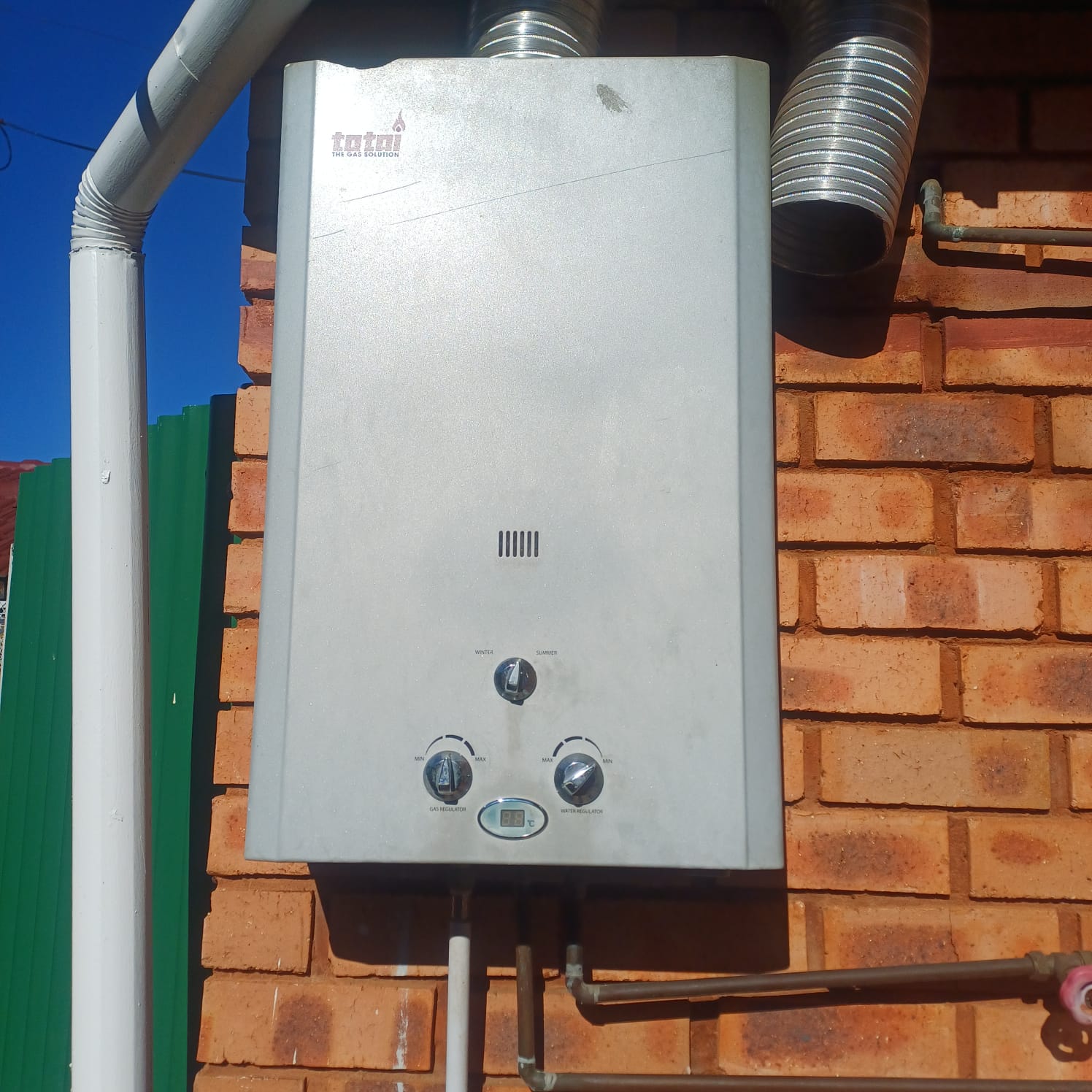
Totai
Alva
Ferre
Repair availability depends on the exact model, appliance condition and availability of compatible replacement parts.
Appliance Repairs Umhlanga operates as an independent multi-brand service provider and does not claim manufacturer-authorised status unless expressly confirmed.
Depending on the diagnosis and model, replacement components may include:
Burner caps
Burner heads
Ignition electrodes
Spark generators
Ignition switches
Control knobs
Thermocouples
Flame-failure components
Gas valves
Oven burners
Door seals
Electrical ignition wiring
Dual-fuel electrical parts
Gas-stove components are not universally interchangeable. Compatibility must be checked using the appliance brand and model number.
Call or WhatsApp +27 79 976 2941 and provide your suburb, appliance type and a description of the fault.
Send the brand, model number, number of affected burners and photographs where safe.
Tell us immediately if you smell gas, cannot switch off a burner or have noticed an uncontrolled flame.
Our team confirms availability and any property-access requirements.
The technician assesses the ignition system, burners, controls and other relevant components.
The likely cause and proposed work are explained before the repair proceeds.
The customer chooses whether to proceed. The call-out fee is waived when the approved repair is completed by our team.
The repaired burner or control is tested for normal ignition, flame stability and operation where it is safe and appropriate to do so.
Any installation alteration or work requiring certification must be completed by a registered gas practitioner.
A stove-appliance repair and a gas-installation alteration are not always the same service.
Work involving fixed gas pipework, installation changes, relocation, new appliance connections or other regulated alterations may require a registered gas practitioner and a valid Certificate of Conformity.
A Certificate of Conformity confirms that the installation has been inspected and is considered compliant and leak-free at the time of certification.
Customers should retain the certificate with their property records.
Professional gas-installation assistance may be required when:
Installing a new gas stove
Moving the stove
Altering gas pipework
Changing the cylinder location
Replacing parts of the fixed installation
Purchasing or selling a property
No existing certificate can be located
A leak is suspected in the installation
The installation appears unsafe
The appliance has been connected informally
Only a registered gas practitioner may issue the relevant gas Certificate of Conformity.
Stop using the stove and arrange urgent assistance when you notice:
Persistent gas smell
Flame that will not switch off
Uncontrolled or unusually high flame
Repeated ignition failure
Yellow flames producing soot
Cracked or damaged gas hose
Heat damage near the gas connection
Loose regulator
Burner flames going out repeatedly
Popping or flashback around the burner
Smoke or burning electrical smells
Electrical sparking
Ignition system tripping the power
Do not bypass gas valves, thermocouples or other safety devices.
Where there is no active gas smell or immediate danger:
Allow the stove to cool
Remove pots and pans
Clear the surrounding worktop
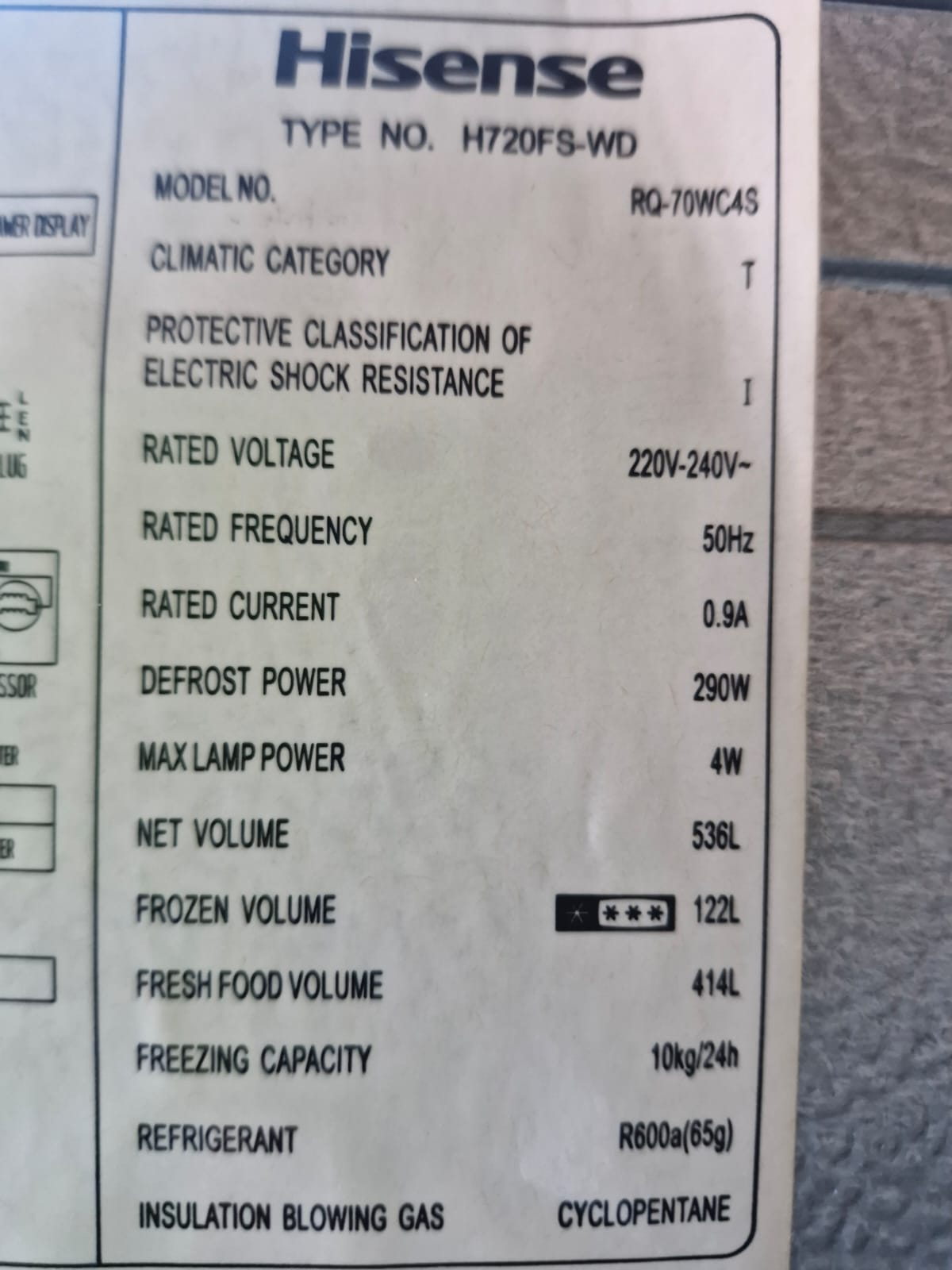
Send a photo of the model label
Explain which burners are affected
Keep the gas cylinder accessible
Provide estate or building instructions
Keep children and pets away
Avoid dismantling the stove
Do not apply glue or tape to gas components
Where gas is smelled, prioritise ventilation, supply isolation and evacuation rather than preparing the appliance for repair.
Repair may be worthwhile when:
The appliance is otherwise in good condition
The fault affects an igniter, burner or control
Compatible parts remain available
The hob is built into an existing countertop
The oven and remaining burners operate correctly
Replacement would require kitchen alterations
The repair cost is reasonable
Replacement may be more practical when:
The glass surface is cracked
The appliance has extensive corrosion
Multiple gas valves have failed
Critical safety parts are unavailable
The stove has repeated gas-related faults
The installation is incompatible with the appliance
Repair costs approach replacement value
The appliance cannot be operated safely
A proper inspection can help determine the most practical option.
Our mobile technicians provide Gas Stove Repairs Umhlanga across:
Umhlanga Ridge
Umhlanga Rocks
Umhlanga Central
Umhlanga New Town Centre
Ridgeside
La Lucia
La Lucia Ridge
Sunningdale
Somerset Park
Izinga
Prestondale
Herrwood Park
Hawaan
Mount Edgecombe
Cornubia
Blackburn Estate
Glenashley
Umdloti
Selected nearby Durban North areas
Customers outside these locations may contact us to confirm service availability.
Our mobile technicians serve apartments, homes, estates, hospitality venues and businesses throughout greater Umhlanga.
We assess the burner, ignition system and control components before recommending replacement parts.
We assist homeowners, landlords, restaurants, hotels, guesthouses and property managers.
We work on selected gas hobs, freestanding cookers, gas ovens and dual-fuel appliances.
Dangerous symptoms such as gas smells, uncontrolled flames and faulty shutoff controls are treated seriously.
We assess selected appliances from widely used household and commercial gas-stove brands.
The recommended repair is explained before the customer decides whether to proceed.
Customers can send model labels, burner photographs, videos and property-access details through WhatsApp.
Same-day attendance may be available depending on the booking time, technician availability, property location and type of fault.
The burner may be wet, dirty, blocked or incorrectly assembled. The electrode, ignition switch, spark generator or gas supply may also be faulty.
Continuous clicking may be caused by moisture, a stuck ignition switch, misaligned burner parts, damaged wiring or a faulty spark module.
Possible causes include blocked burner ports, low gas supply, regulator problems, incorrect burner assembly or a gas-control fault.
A persistent yellow flame may indicate blocked burners, poor combustion or an incorrect gas-and-air mixture. Stop using the burner if it produces soot.
The thermocouple, flame-failure device, burner alignment, gas supply or gas valve may be faulty.
Turn off the gas supply where safe, avoid flames and electrical switches, ventilate the area and obtain professional assistance.
No. Never use an open flame to locate a gas leak.
Selected electrodes, ignition switches and spark generators can be replaced when compatible parts are available.
Selected thermocouples may be replaced after the technician confirms the correct component.
Yes. We assess selected built-in gas hobs with ignition, burner, control and flame problems.
Selected gas ovens can be assessed for ignition, heating, thermocouple and burner faults.
Yes. We assess selected dual-fuel appliances with gas-burner and electric-oven faults.
Selected restaurant, café, hotel and catering appliances may be assessed depending on the equipment and required practitioner category.
Gas hoses and regulators must be suitable for the appliance and installation. Work should be completed by an appropriately qualified gas professional.
A basic appliance-component repair may not always require a new certificate. Installation changes, relocation and regulated gas work may require inspection and certification by a registered gas practitioner.
Only a registered gas practitioner may issue a valid gas Certificate of Conformity.
We assess selected Defy, Bosch, Smeg, Elba, Univa, AEG, Electrolux, Siemens, Whirlpool and other gas appliances.
Many inspections and selected repairs can be completed onsite. Some jobs require a model-specific component or registered gas-installation work.
Call or WhatsApp +27 79 976 2941 with your suburb, stove brand, appliance type and fault description.
Do not continue using a gas stove that smells of gas, fails to ignite properly, produces an unstable flame or cannot be switched off safely.
Prompt diagnosis can help restore reliable cooking, prevent additional appliance damage and identify faults that require a registered gas practitioner.
Contact Appliance Repairs Umhlanga for professional onsite gas-stove fault assessment across greater Umhlanga.
Call or WhatsApp:
+27 79 976 2941
Email:
info@appliancerepairsumhlanga.co.za
Address:
2 Ncondo Place, Ridgeside Drive, Umhlanga Ridge, Durban, 4319, South Africa
Book a Technician | Call Now | WhatsApp Us
SEO title:
Gas Stove Repairs Umhlanga | Same-Day Onsite Service
Meta description:
Gas stove not igniting, clicking or producing a weak flame? Book professional gas stove repairs in Umhlanga. Call or WhatsApp +27 79 976 2941.

| Day | Standard Service Hours | Emergency Appliance Repair Support |
|---|---|---|
| Monday | 07:30 – 18:00 | Available after hours, subject to technician availability |
| Tuesday | 07:30 – 18:00 | Available after hours, subject to technician availability |
| Wednesday | 07:30 – 18:00 | Available after hours, subject to technician availability |
| Thursday | 07:30 – 18:00 | Available after hours, subject to technician availability |
| Friday | 07:30 – 18:00 | Available after hours, subject to technician availability |
| Saturday | 08:00 – 16:00 | Emergency bookings may be available |
| Sunday | By appointment | Emergency appliance repair support available, subject to availability |
| Public Holidays | By appointment | Urgent appliance and refrigeration support may be available |
For urgent breakdowns involving fridges, freezers, cold rooms, ice machines, geysers, gas appliances, electrical tripping or major water leaks, call or WhatsApp +27 79 976 2941.
Emergency attendance is subject to technician availability, location, appliance type, site access and parts availability. Same-day or after-hours service cannot always be guaranteed.
Professional onsite repairs for domestic and commercial appliances across Umhlanga and nearby areas. We repair fridges, washing machines, dishwashers, stoves, ovens, tumble dryers, air conditioners, geysers, ice machines, gas appliances and cold rooms.