• Certified Refrigeration Technicians
•Same Day Fridge Repairs Umhlanga
• Domestic & Commercial Freezer Specialists
• Call out fee Waived if Work done
• Compressor & Thermostat Experts
Is your fridge running but failing to cool properly? Are frozen items starting to soften, drinks remaining warm or food spoiling sooner than expected? Appliance Repairs Umhlanga provides professional fridge regassing in Umhlanga, including cooling-system diagnosis, refrigerant leak detection, pressure assessment and measured refrigerant charging.
Our certified technicians assist homeowners, tenants, landlords, restaurants, guesthouses, offices, property managers and other businesses across Umhlanga. We work on selected domestic fridges, freezers, side-by-side refrigerators, French-door fridges, built-in refrigeration units, bar fridges, display coolers and commercial refrigeration equipment.
Fridge regassing should never be treated as an automatic solution for every cooling problem. A refrigerator is designed as a sealed system, which means refrigerant does not normally get “used up” during ordinary operation. When refrigerant is genuinely low, the system may have a leak, restriction, damaged pipework, corrosion or a previous repair problem that must be investigated.
We provide same-day onsite assistance where technician availability allows across Umhlanga Ridge, Umhlanga Rocks, La Lucia, Sunningdale, Izinga, Prestondale, Herrwood Park, Somerset Park, Mount Edgecombe and nearby areas.
Call or WhatsApp: +27 79 976 2941
Leak Detection | Refrigerant Diagnosis | Measured Gas Charging | Same-Day Onsite Service
A fridge that is not cooling correctly may have a refrigerant-related fault, but it may also have a problem with airflow, a thermostat, temperature sensor, fan, compressor, defrost system, door seal, relay or electronic control.
For this reason, our fridge regassing Umhlanga service begins with an inspection rather than immediately adding gas. The technician considers the symptoms, frost pattern, temperature performance, compressor behaviour and overall condition of the cooling system before recommending refrigerant work.
The inspection may include:
Checking the fridge and freezer temperatures
Assessing whether the compressor is running
Inspecting the evaporator frost pattern
Checking internal airflow
Inspecting accessible refrigerant pipes
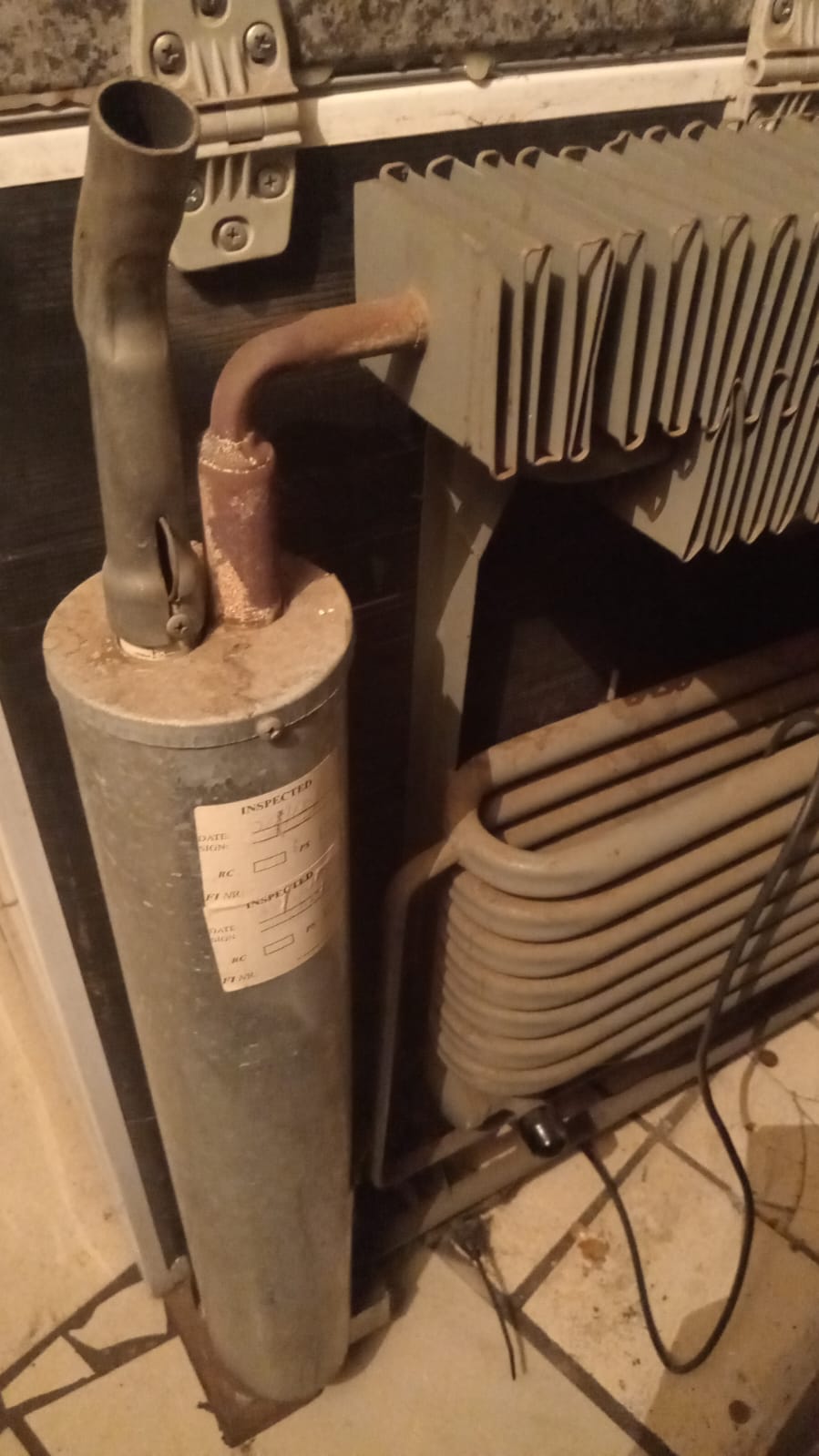
Looking for signs of oil or corrosion
Assessing condenser performance
Checking the door seals
Testing relevant electrical components
Confirming the refrigerant type
Evaluating whether the fridge is economically repairable
If a refrigerant leak or undercharge is confirmed, the technician will explain the required repair and charging process before work proceeds.
Many customers request regassing as soon as a fridge becomes warm. However, poor cooling alone is not enough to prove that the refrigerator is short of gas.
Your fridge may need refrigerant attention when:
The compressor runs for long periods but cooling remains weak
Only a small part of the evaporator becomes cold
The freezer no longer reaches a proper freezing temperature
Cooling performance has gradually declined
There is evidence of oil around refrigeration pipework
A leak has previously been repaired
The cooling system was opened during a compressor or component replacement
System pressure readings indicate an undercharge
A qualified technician identifies a refrigerant leak or restriction
Your fridge may not need regassing when the problem is caused by:
A failed evaporator fan
A faulty thermostat
A damaged temperature sensor
A blocked air vent
Excessive frost behind an interior panel
A failed defrost heater
A damaged door gasket
Poor ventilation around the appliance
A faulty compressor relay
A control-board problem
A power-supply fault
Adding refrigerant without diagnosing these faults will not restore reliable cooling.
Refrigerant circulates repeatedly through a sealed system. It absorbs heat inside the fridge and releases that heat outside through the condenser.
Unlike fuel, refrigerant is not consumed during ordinary fridge operation. A healthy sealed refrigeration system should retain its charge. If the gas level becomes low, there is usually an underlying reason that should be identified before the system is recharged.
Possible causes include:
Small leaks in aluminium or copper tubing
Corrosion around refrigeration lines
Leaking pipe connections
Damage to the evaporator
Condenser leakage
Compressor connection faults
Poorly sealed previous repairs
Vibration damage
Accidental punctures
System restrictions
Manufacturing or age-related deterioration
Simply topping up the fridge without repairing the cause may result in temporary cooling followed by another failure.
A refrigerant leak may develop gradually, making the symptoms difficult to notice at first.
Possible warning signs include:
Fridge compartment remaining warmer than normal
Freezer items becoming soft
Compressor running almost continuously
Weak or uneven frost on the evaporator
Fridge taking much longer to cool
Temperature failing to recover after the door is opened
Unusual hissing from the refrigeration system
Oily residue around accessible pipes or joints
Higher electricity use caused by extended compressor operation
Cooling improving briefly after previous regassing and then failing again
Oil residue near refrigeration tubing can sometimes support suspicion of an active leak because refrigerant can carry compressor oil through the system. However, visible corrosion or flaking paint alone does not automatically prove leakage.
A proper assessment is required before conclusions are made.
Professional fridge regassing in Umhlanga involves more than connecting a gas cylinder and adding refrigerant. The cooling system must be evaluated carefully to avoid incorrect charging, repeated leakage or compressor damage.
The technician begins by checking the reported symptoms and observing how the fridge operates.
This may include evaluating:
Interior temperature
Compressor operation
Evaporator frost pattern
Condenser temperature
Airflow
Fan operation
Electrical controls
Door sealing
This step helps determine whether the fault is likely to involve refrigerant or another component.
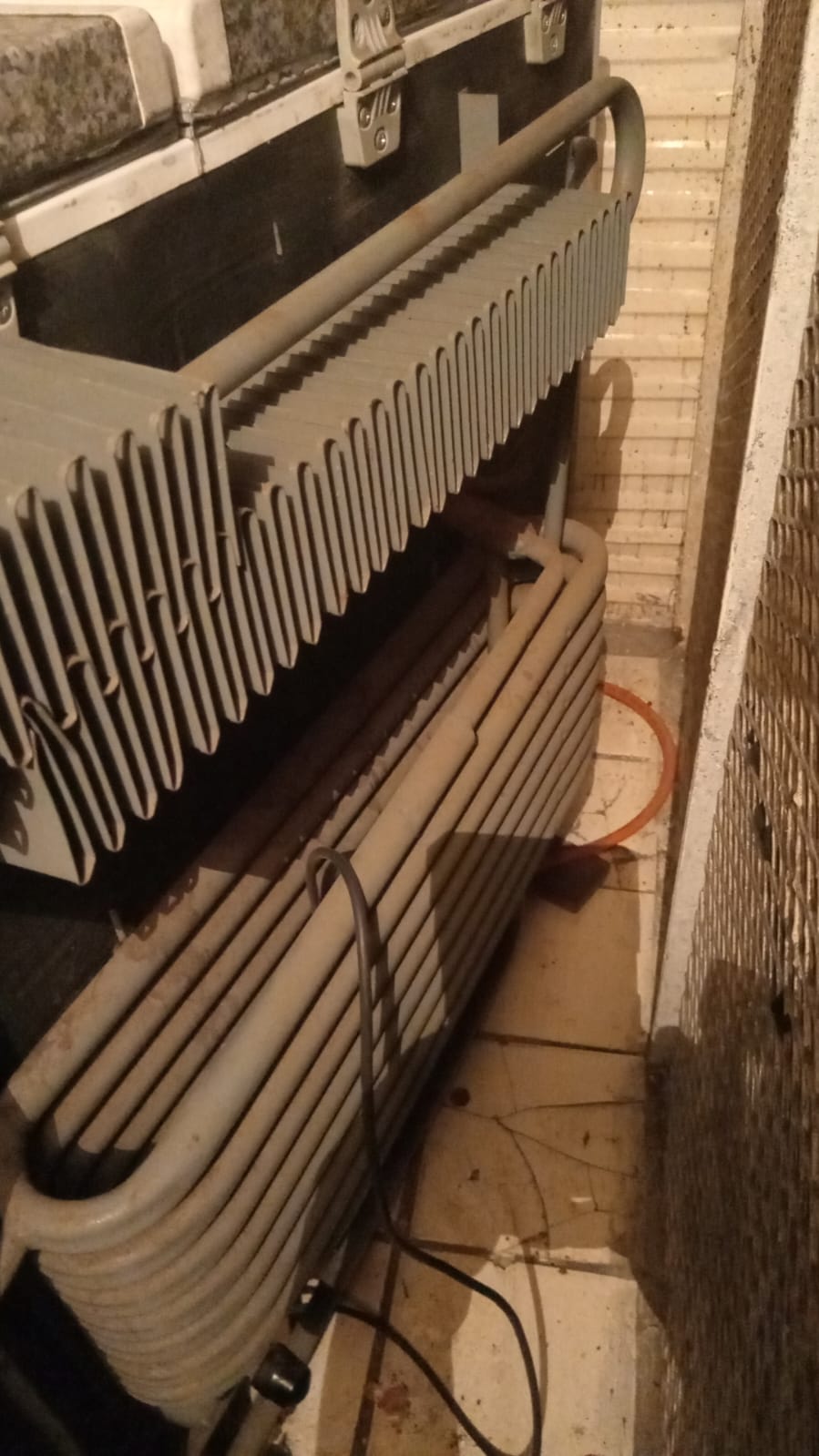
Accessible tubing, connections, compressor fittings and cooling-system components are inspected for damage, corrosion, oil traces or previous repair work.
The technician also considers whether the system may have a restriction rather than a straightforward leak.
Where a refrigerant shortage is suspected, appropriate leak-detection methods may be used depending on the fridge and system design.
These may include:
Visual inspection
Pressure testing
Electronic leak detection
Soap-solution testing on accessible joints
Nitrogen pressure testing where appropriate
Inspection for oil staining
Monitoring whether pressure changes over time
Leak testing should come before charging whenever a leak is suspected. Industry guidance generally treats leak repair and follow-up verification as essential rather than simply adding more refrigerant.
Where the leaking point is accessible and repairable, the technician explains the required work.
The repair may involve:
Sealing or replacing damaged tubing
Repairing an accessible joint
Correcting a previous connection
Replacing a faulty service valve
Repairing a damaged filter-drier connection
Replacing an affected cooling-system component
Not every sealed-system leak is economically repairable. Leaks inside inaccessible cabinet walls or heavily corroded components may make replacement more practical.
After the system has been opened or repaired, air and moisture may need to be removed using suitable evacuation equipment.
Moisture inside a refrigeration system can contribute to restrictions, corrosion and poor cooling performance. Proper evacuation helps prepare the system for the correct refrigerant charge.
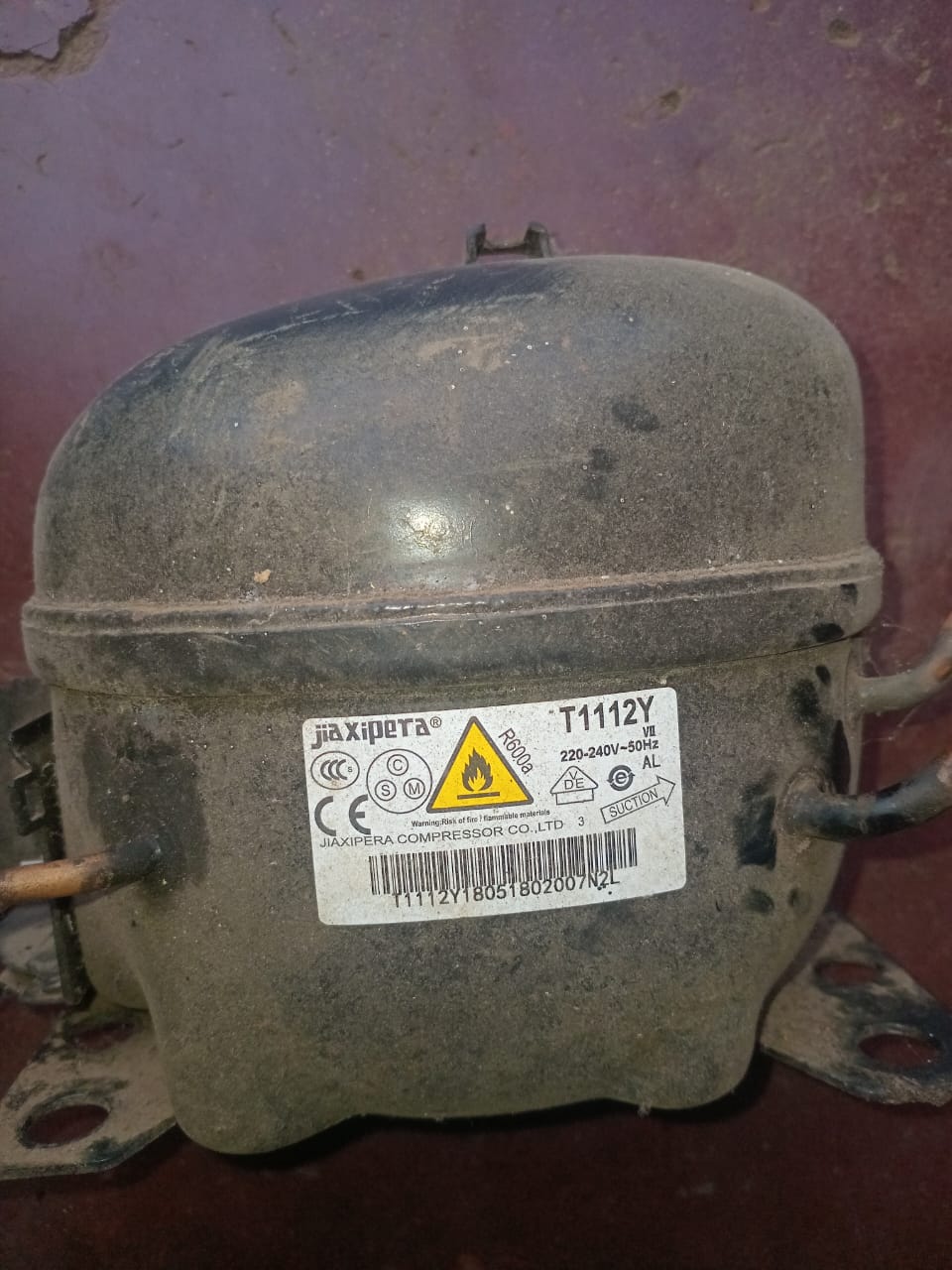
Different fridge models use different refrigerants. The correct gas must be identified from the manufacturer label or reliable technical information.
Common domestic and commercial refrigeration systems may use refrigerants such as:
R134a
R600a
R290
R404A
Other model-specific refrigerants
These refrigerants are not automatically interchangeable. The technician must use the type specified for the appliance and follow suitable safety procedures.
Refrigerant should be added in the correct quantity rather than guessed.
Too little refrigerant can result in weak cooling and continuous compressor operation. Too much refrigerant can create high pressure, poor performance and additional strain on the compressor.
The correct charge may be determined using:
Manufacturer charge specifications
System pressure
Refrigerant weight
Temperature performance
Frost pattern
Compressor behaviour
After charging, the technician monitors the fridge to confirm that:
Cooling has resumed
The frost pattern is appropriate
System pressures are reasonable
The compressor is operating normally
There is no obvious continuing leak
Temperatures begin moving toward the correct range
A fridge may require several hours to stabilise fully after sealed-system work.
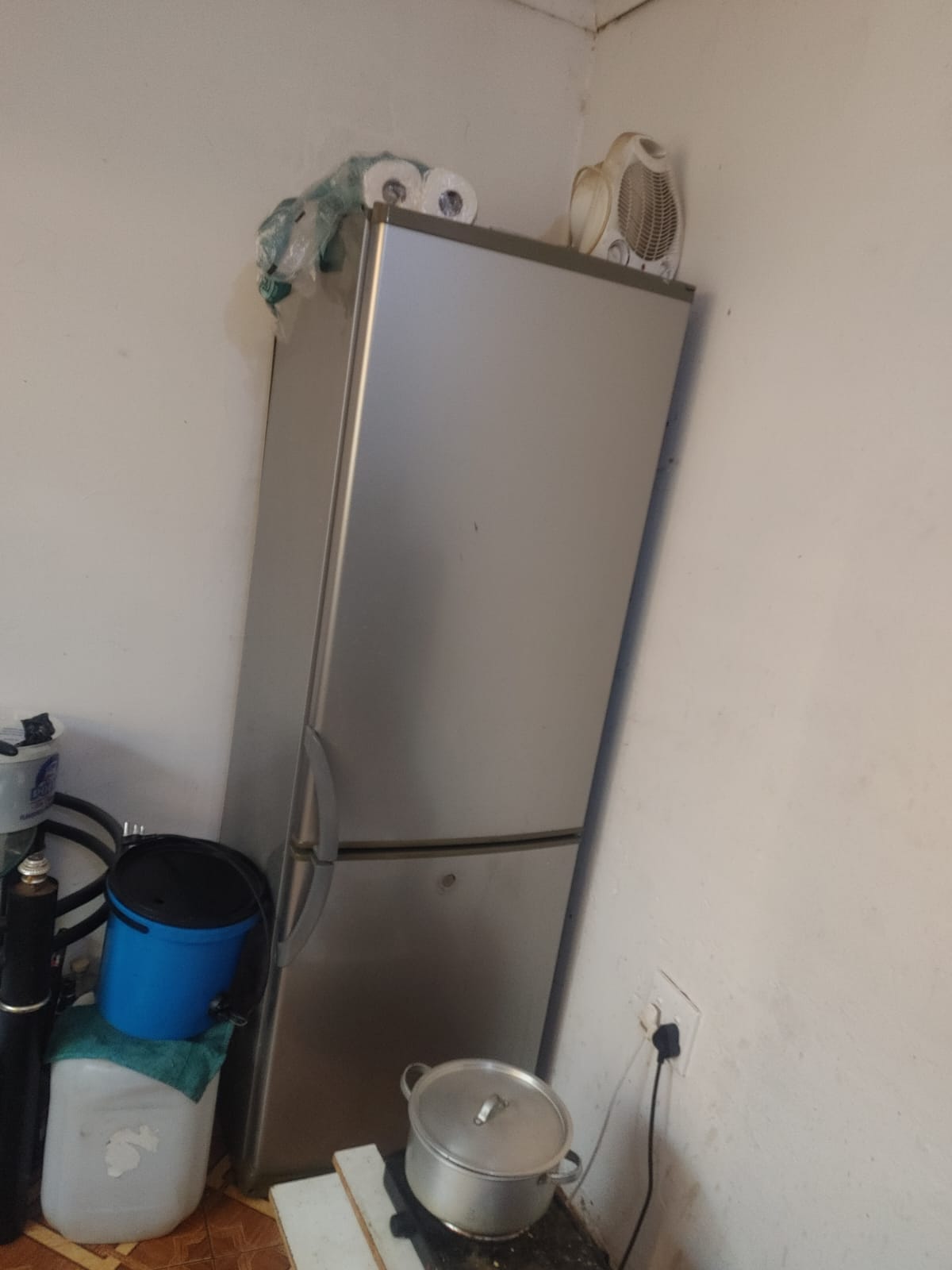
We provide refrigerant diagnosis and regassing for selected domestic refrigerators used in homes, apartments and estates.
These may include:
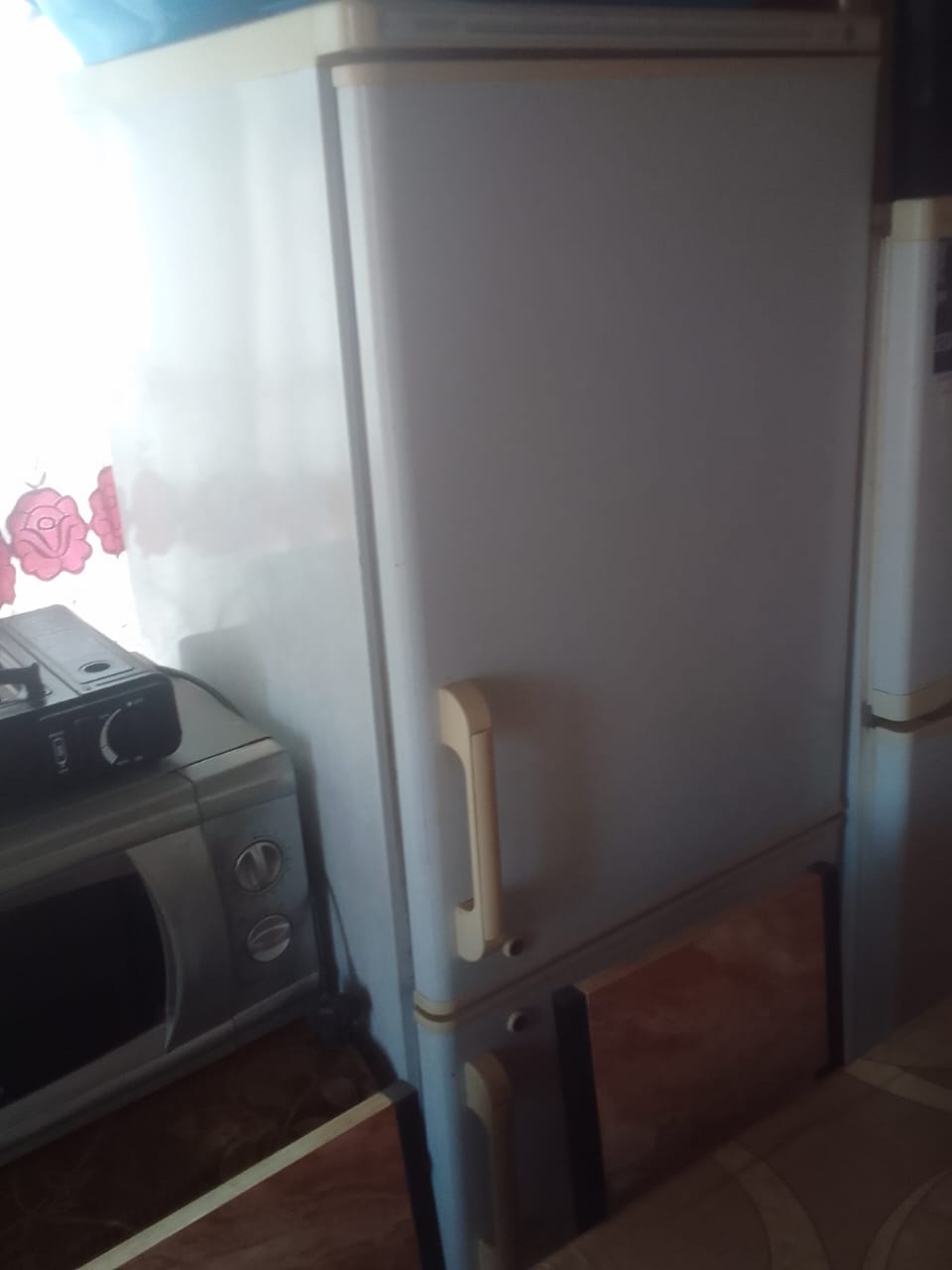
Single-door fridges
Double-door fridges
Top-freezer fridges
Bottom-freezer fridges
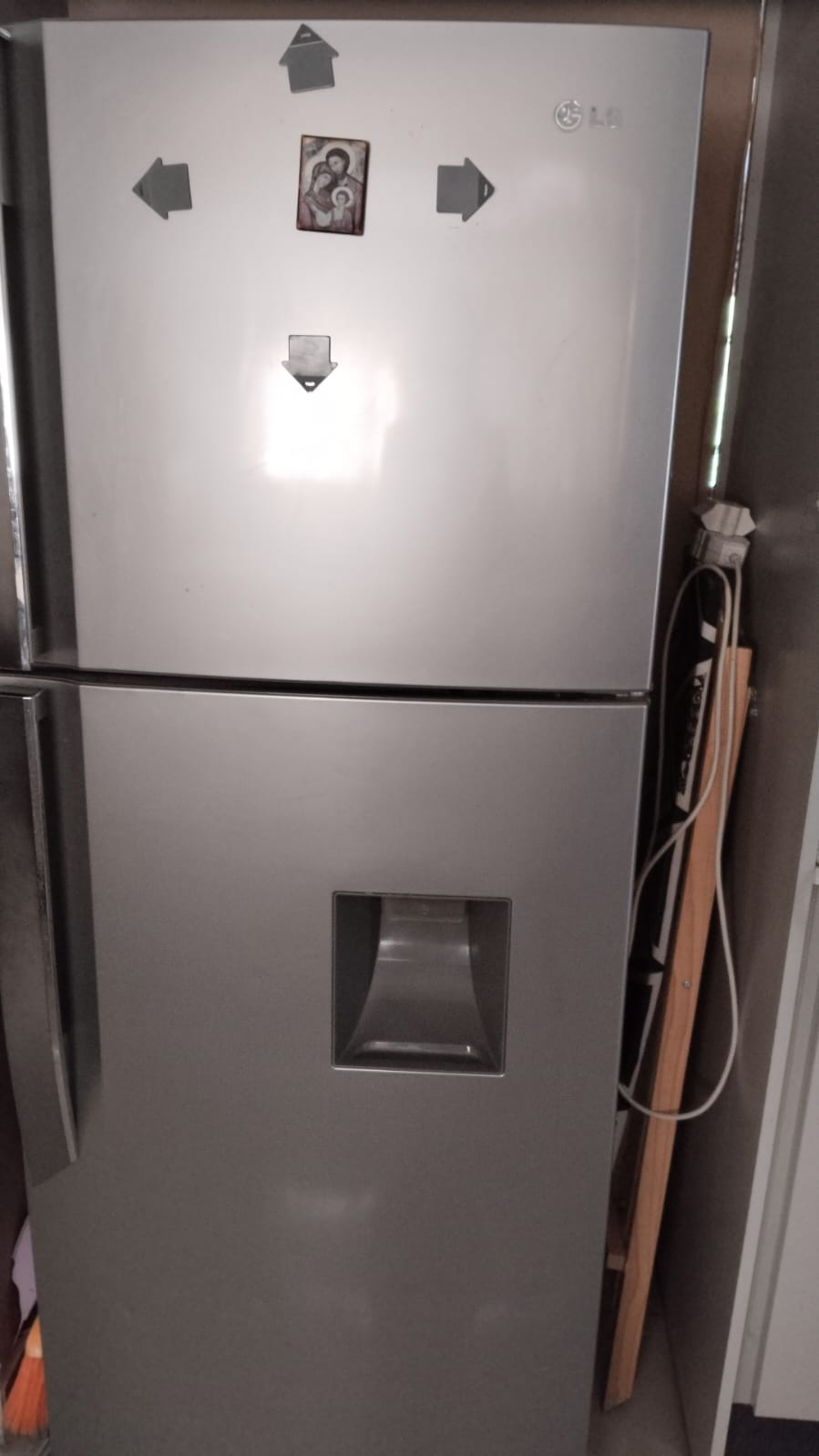
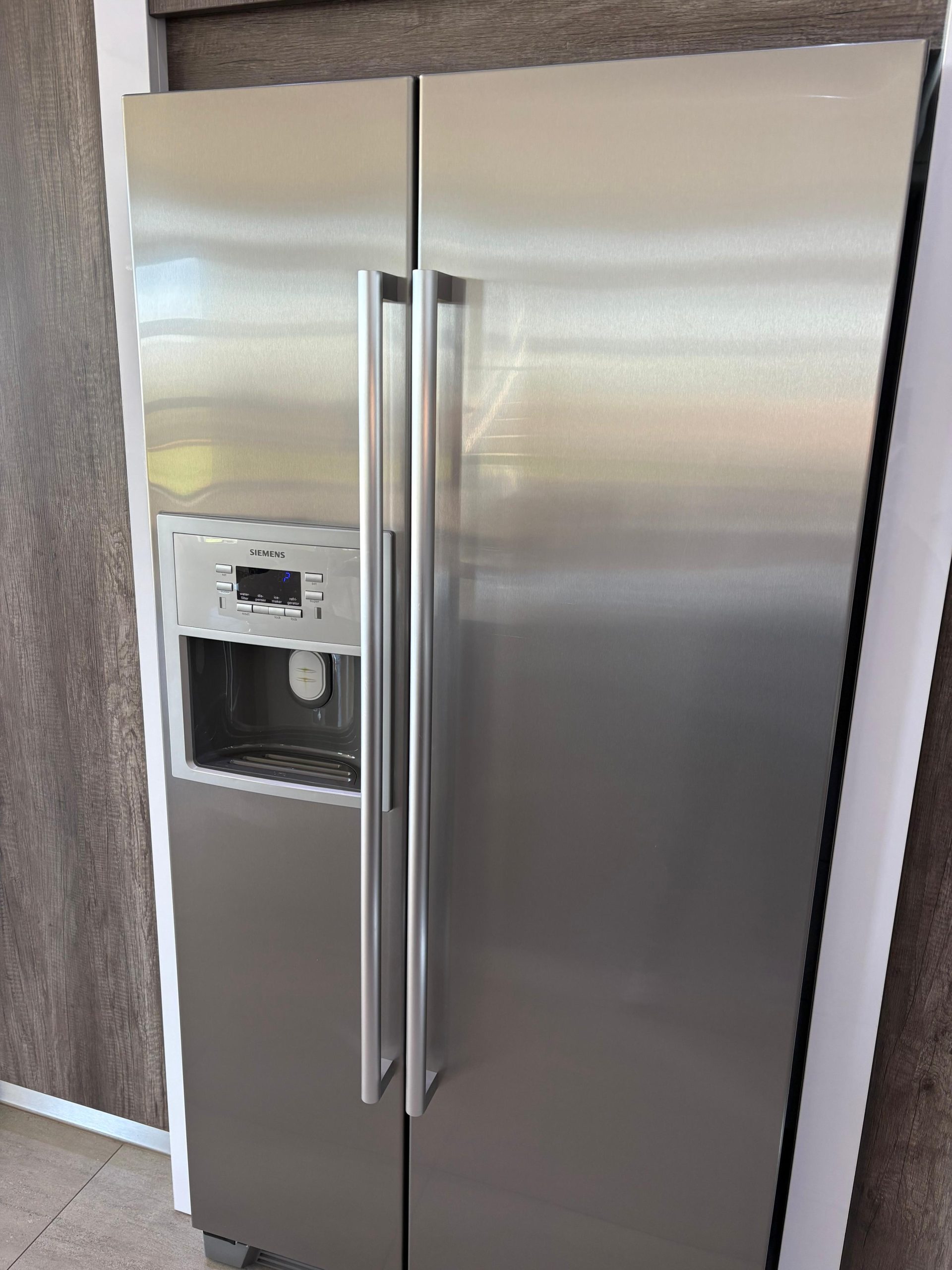
Side-by-side refrigerators
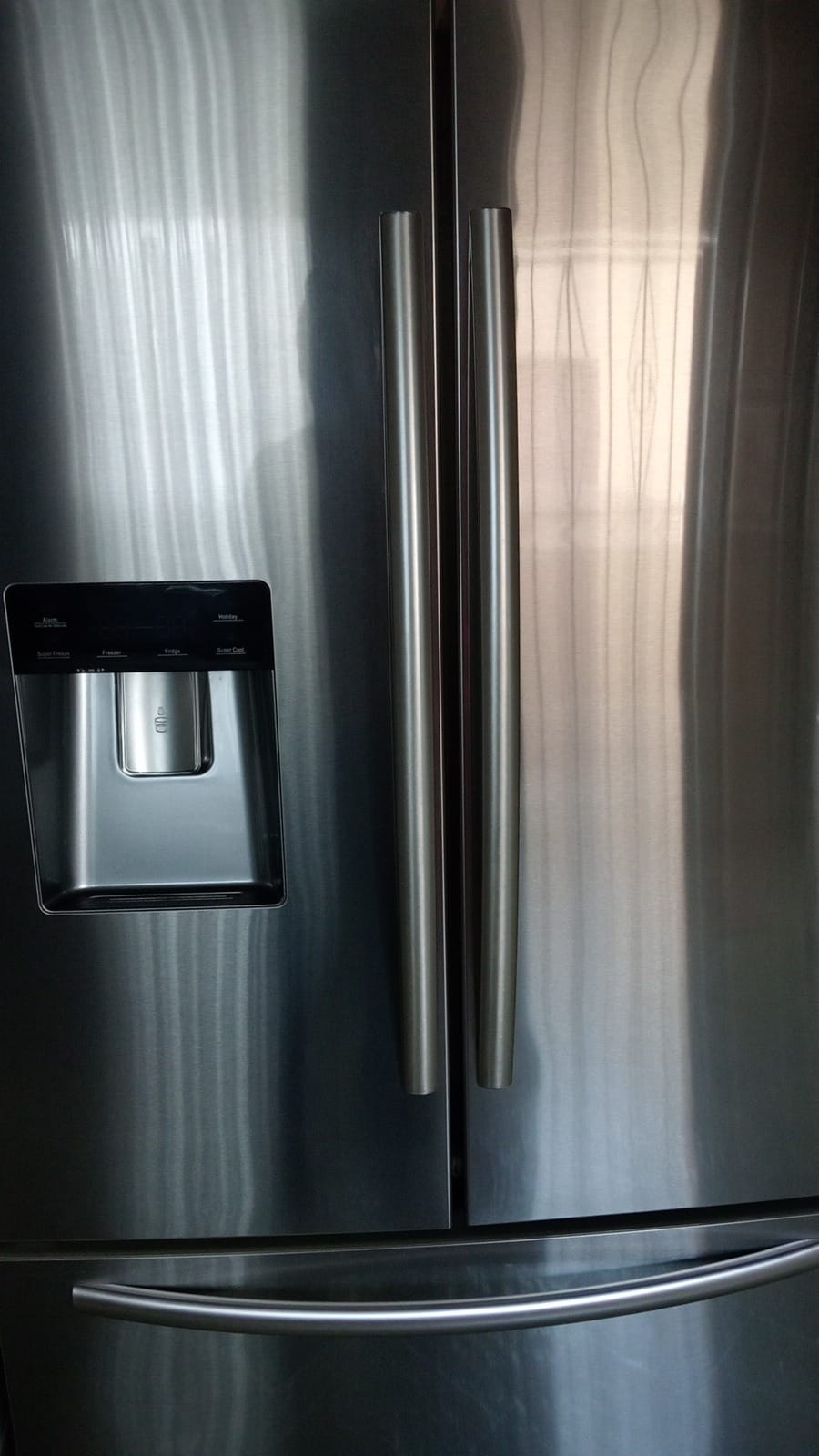
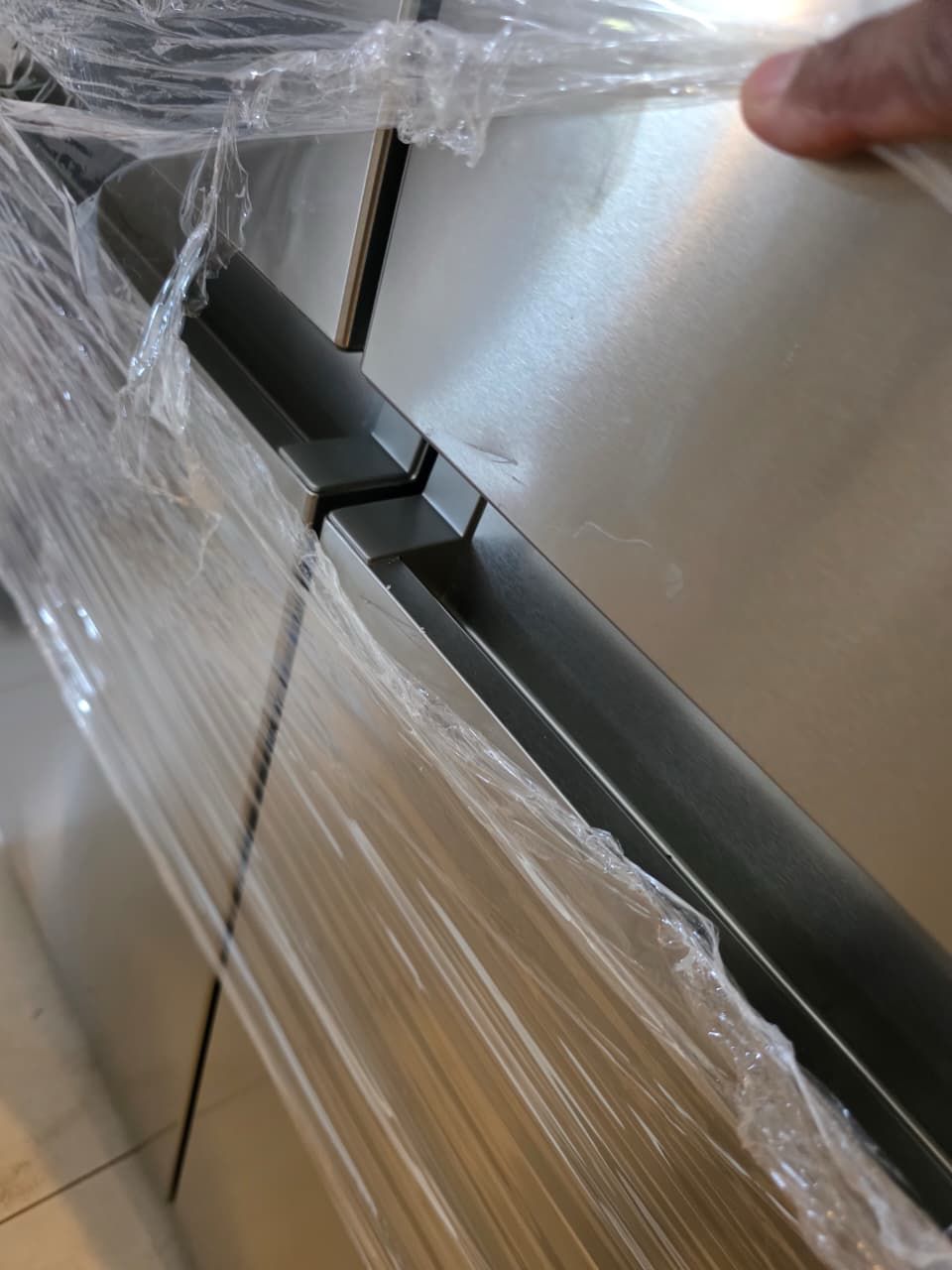
French-door fridges
Fridge-freezer combinations
Bar fridges
Built-in fridges
Wine coolers
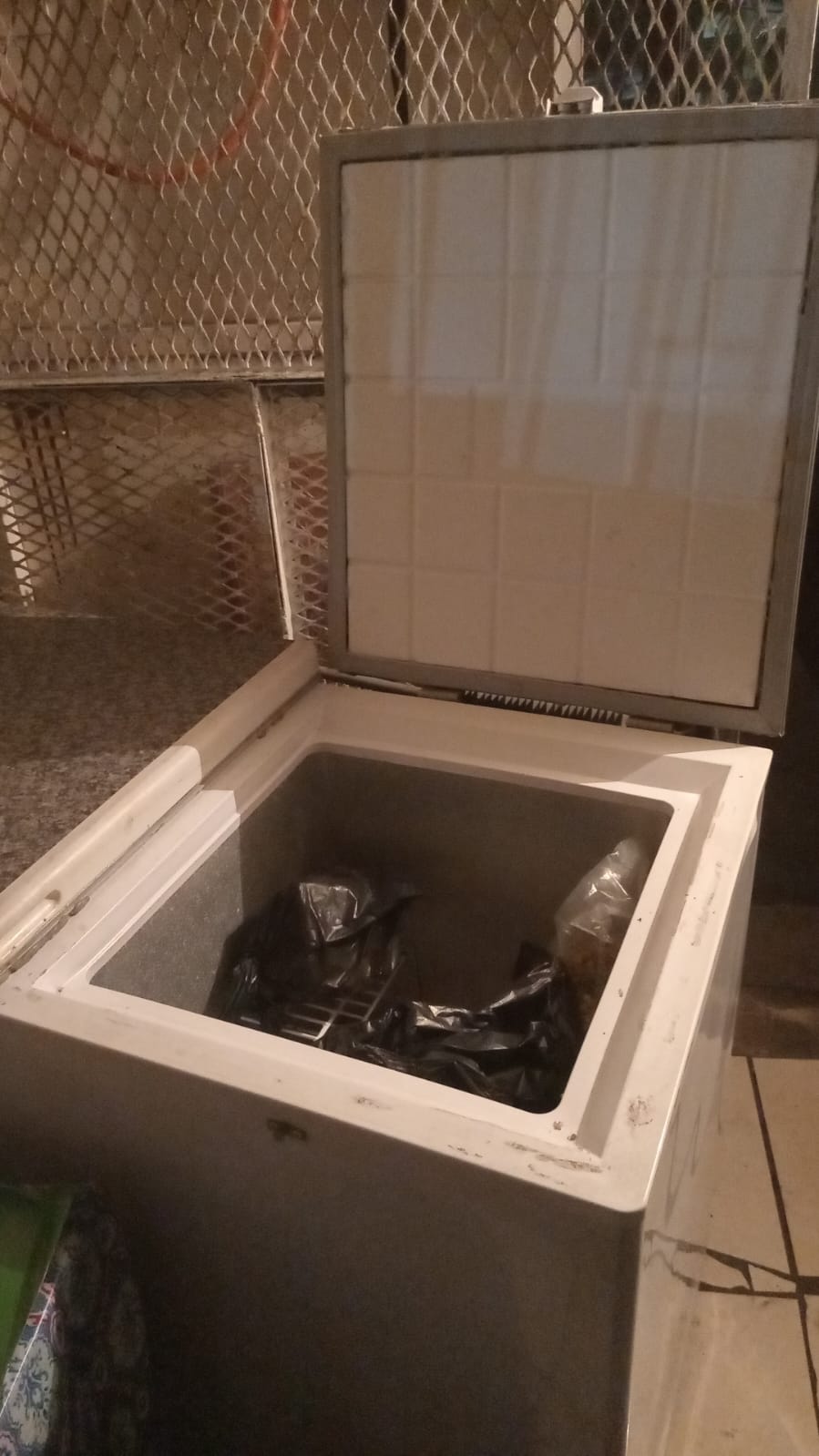
Chest freezers
Upright freezers
Service availability depends on the fridge model, refrigerant type, system condition and whether an identified leak can be repaired.
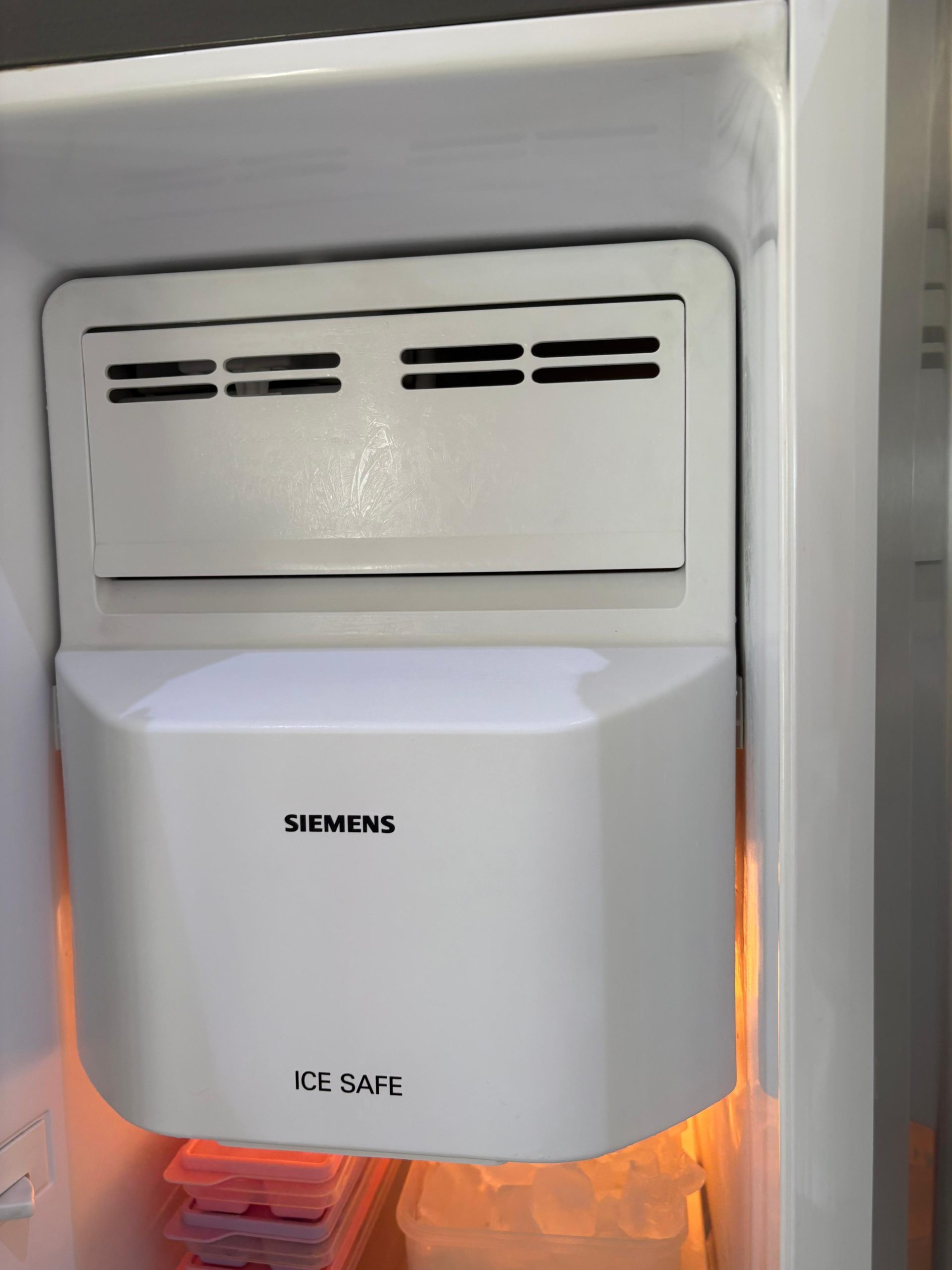
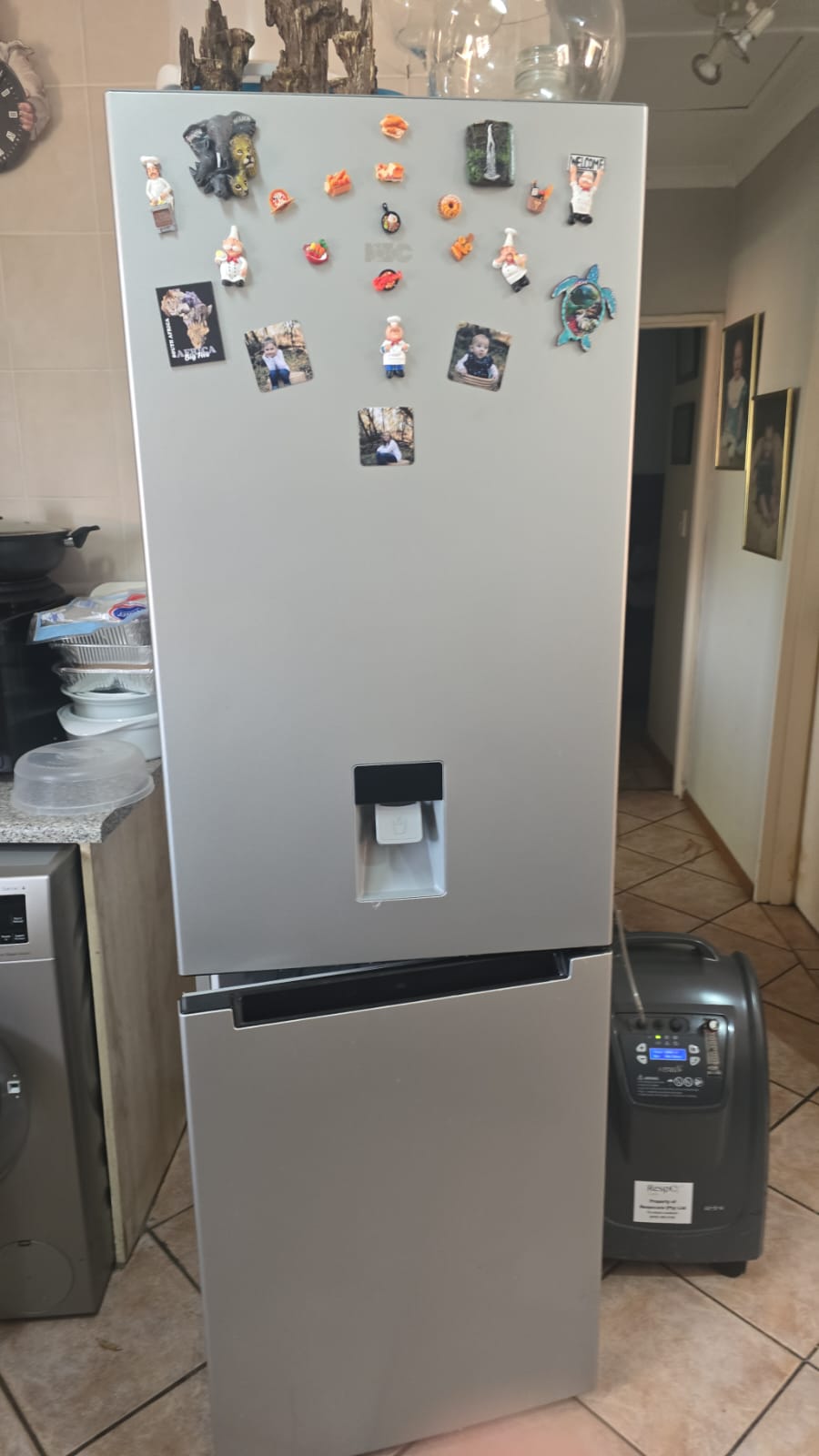
Side-by-side and French-door fridges often contain multiple fans, electronic sensors, digital controls, ice makers, water dispensers and separate temperature zones.
A cooling fault on these models may involve:
Refrigerant leakage
Inverter compressor problems
Fan failure
Defrost-system faults
Damper problems
Temperature sensors
Control boards
Blocked air channels
Our technicians inspect the appliance before concluding that regassing is necessary.
Because these units are often high-value appliances, accurate diagnosis may help prevent an unnecessary compressor or refrigerant repair.
We also assess selected freezers that are no longer maintaining freezing temperatures.
This includes:
Chest freezers
Upright freezers
Integrated freezer compartments
Commercial storage freezers
Fridge-freezer combinations
Possible symptoms include:
Food beginning to thaw
Compressor running continuously
Weak freezing
Uneven frost
Freezer cooling only near one pipe or corner
Temperature rising gradually
Freezer failing after a previous regas
A freezer may also lose performance because of damaged seals, thermostat problems, compressor faults, blocked airflow or excessive frost. The system must be assessed before refrigerant work is recommended.
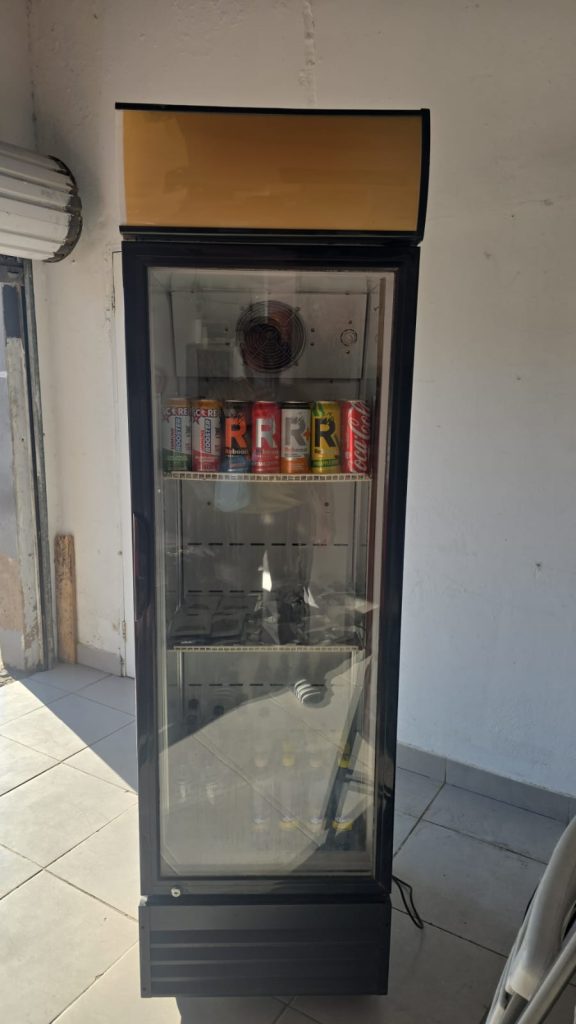
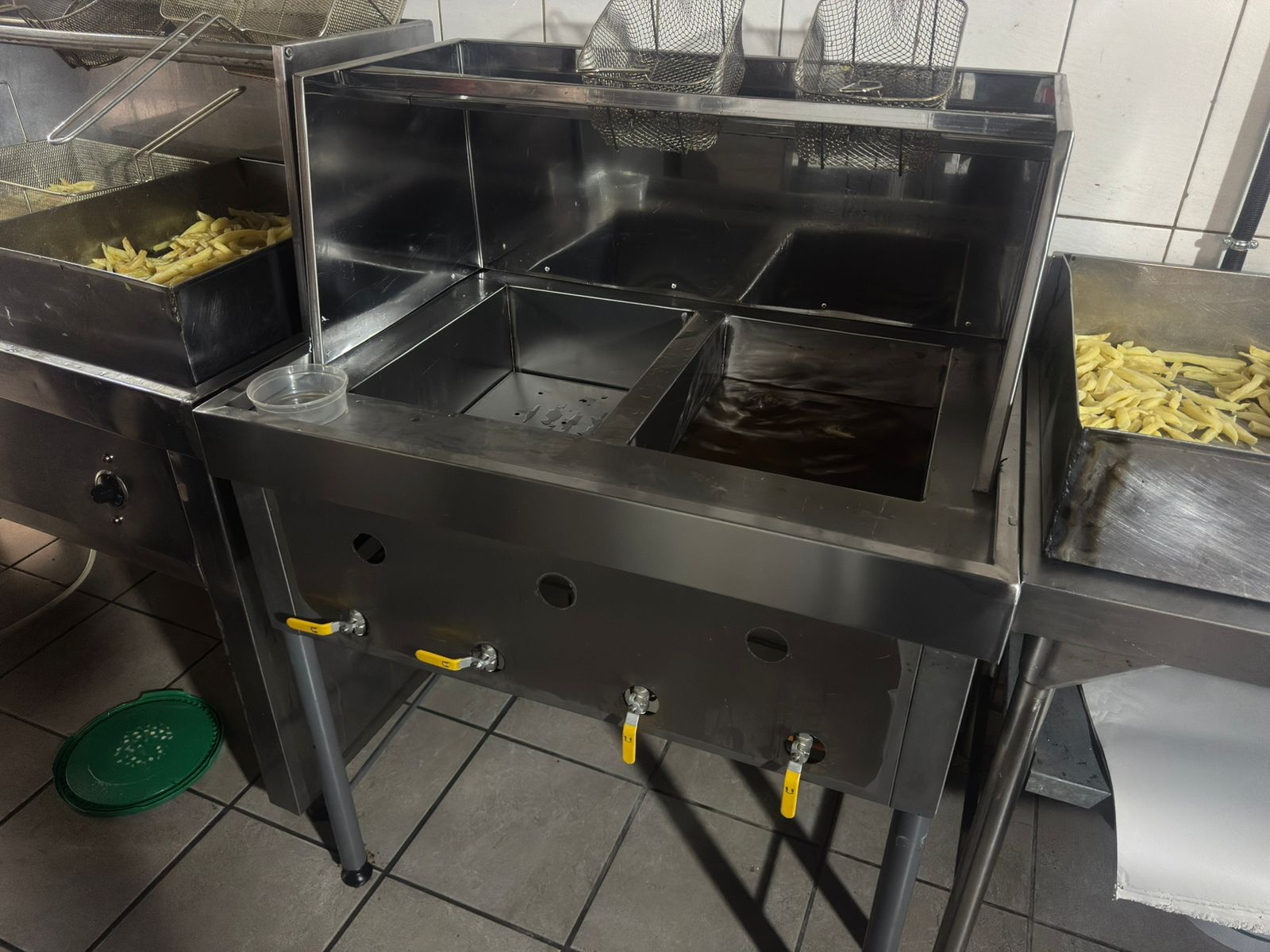
Restaurants, guesthouses, hotels, cafés, bars, retailers and offices rely on refrigeration to protect stock and maintain daily operations.
We assess selected commercial equipment, including:
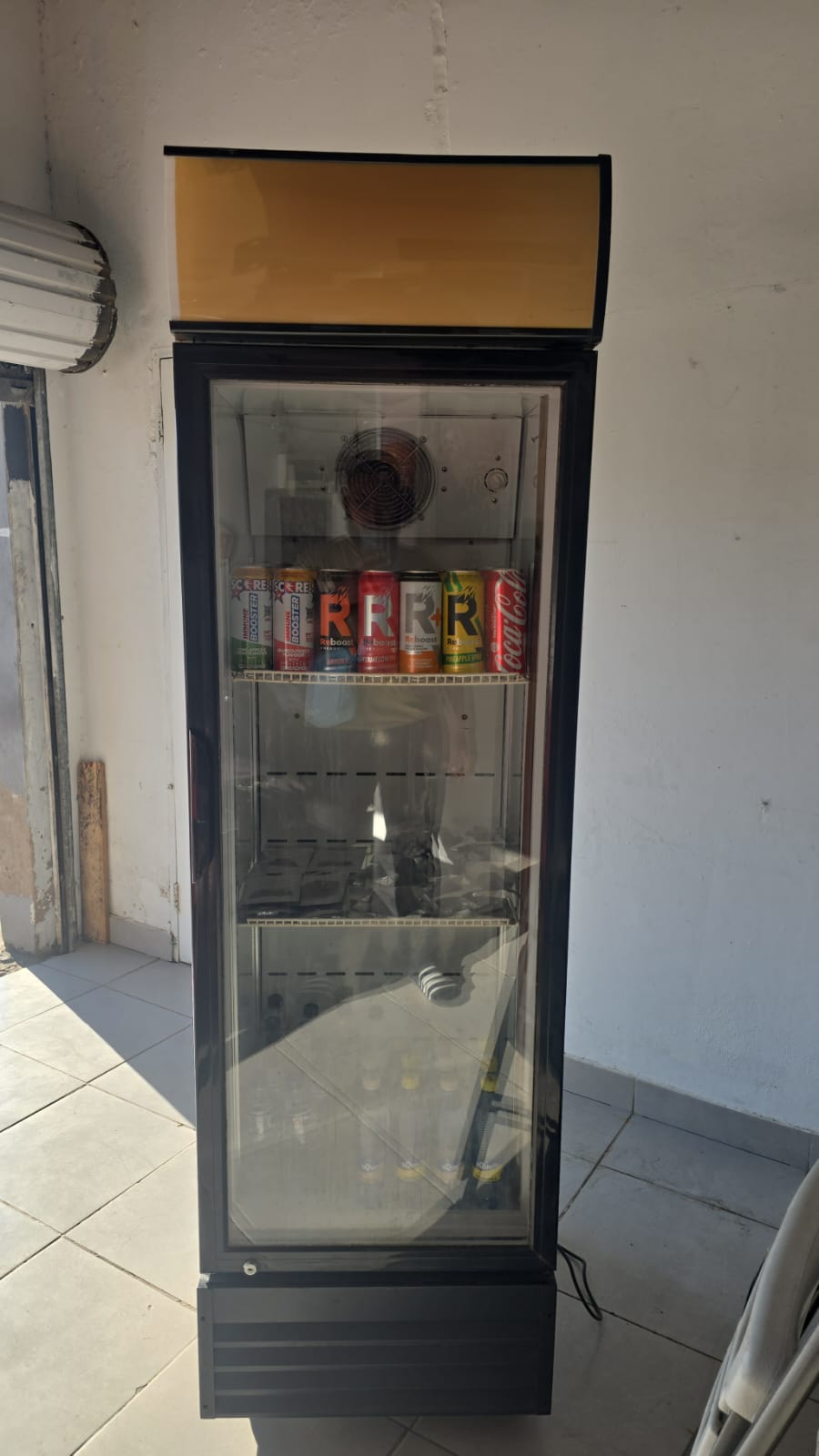
Display fridges
Upright commercial refrigerators
Beverage coolers
Under-counter fridges
Bar fridges
Preparation fridges
Glass-door coolers
Commercial freezers
Wine coolers
Selected cold-room systems
Commercial refrigerant work requires consideration of:
Equipment capacity
Refrigerant type
Operating pressure
Current stock temperature
Compressor condition
Leak location
System workload
Business operating hours
Commercial customers should provide the equipment brand, model, current temperature and operational urgency when booking.
Umhlanga has a strong hospitality market that includes restaurants, hotels, guesthouses, holiday apartments, cafés and entertainment venues.
A refrigeration failure in these environments can place food, beverages and customer service at risk.
We assist selected hospitality customers with:
Bar fridge regassing
Beverage cooler diagnosis
Display fridge refrigerant faults
Under-counter fridge repairs
Wine cooler cooling problems
Commercial upright fridge diagnosis
Selected ice-machine refrigeration faults
Where stock is affected, move temperature-sensitive items to functioning refrigeration while awaiting service.
Our mobile technicians attend apartments, estates, rental homes and managed properties across Umhlanga.
When booking for a residential complex, provide:
Building or estate name
Unit number
Gate-access instructions
Reception details
Parking information
Tenant or occupant contact
Person authorised to approve the quotation
Landlords and property managers may book on behalf of tenants where access and approval arrangements are clear.
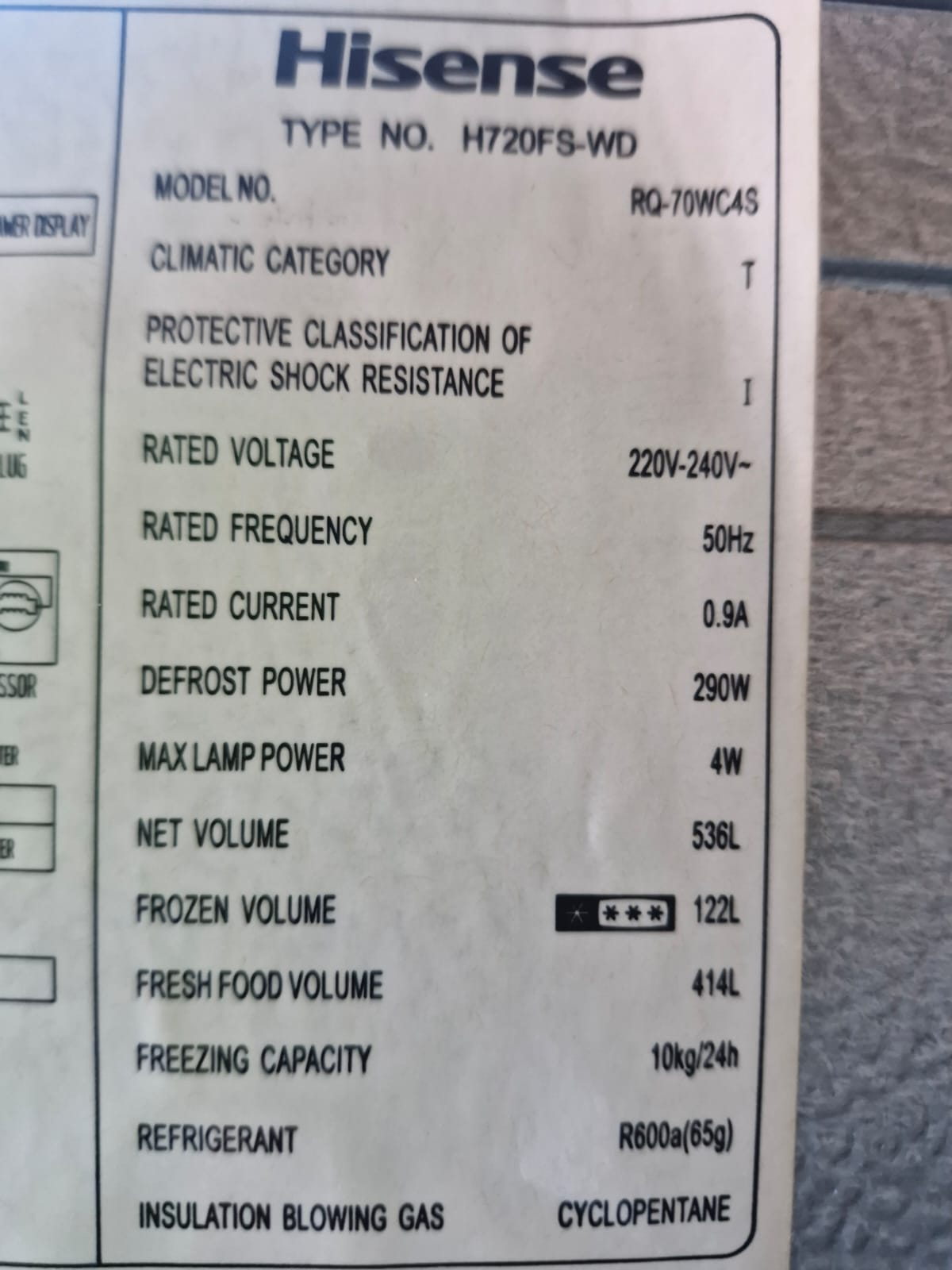
The refrigerant type is usually shown on the fridge rating label. It should be confirmed before charging.
R134a has been used in many older and some commercial refrigeration systems. The system must be charged according to its specified quantity and operating requirements.
R600a, or isobutane, is used in many modern domestic refrigerators. It is efficient but flammable, so appropriate tools, ventilation and safety procedures are essential.
R290, or propane refrigerant, is used in selected domestic and commercial systems. It is also flammable and must be handled by technicians familiar with hydrocarbon refrigeration.
Selected commercial refrigeration systems use R404A or alternative refrigerants. The correct refrigerant depends on the equipment design and manufacturer specification.
Refrigerants should never be mixed or substituted casually.
A refrigeration system is designed for a specific refrigerant and charge quantity.
An incorrect charge can result in:
Poor cooling
High energy consumption
Compressor overheating
Abnormally high or low pressure
Continuous running
Liquid refrigerant returning to the compressor
Shortened compressor life
Repeated system failure
Measured charging and proper testing are therefore essential.
A quick refill may temporarily restore some cooling when the system has lost refrigerant. However, if the leak remains, the new refrigerant will escape through the same opening.
This may lead to:
Cooling failing again
Repeated service costs
Compressor damage
Longer compressor running times
Increased energy use
Food spoilage
Unnecessary refrigerant release
Our approach is to identify the likely cause before recommending a charge.
When a compressor or sealed-system component is replaced, the refrigeration circuit must be prepared and recharged correctly.
This may require:
Removing the failed component
Installing a compatible compressor
Replacing the filter drier
Repairing tubing connections
Pressure testing
Evacuating the system
Charging the specified refrigerant
Testing startup and cooling
Compressor replacement should only be considered after the technician confirms that related relays, overload protectors, inverter modules or control components are not causing the startup fault.
A freezer compartment can be punctured when a sharp tool is used to chip away ice.
A puncture may release refrigerant and damage the evaporator tubing.
Signs include:
Sudden hissing
Chemical or unusual smell
Immediate loss of cooling
Visible hole in the freezer lining
Oily residue near the puncture
Switch off the appliance, ventilate the area and avoid flames or sparks, particularly where the appliance uses a flammable hydrocarbon refrigerant.
Whether the fridge can be repaired depends on the location and extent of the damage. Do not continue operating the appliance.
Properties in Umhlanga Rocks, La Lucia, Umdloti and other coastal areas may experience humidity and salt exposure.
Over time, coastal conditions can contribute to:
Corrosion of exposed metal components
Damage to condenser sections
Deterioration around pipework
Electrical connection problems
Reduced heat dissipation where coils are dirty or corroded
Coastal exposure does not automatically mean that a fridge has a gas leak, but corrosion may form part of the diagnosis where refrigeration pipework is affected.
Not every refrigerant fault is economical to repair.
Replacement may be more practical when:
The leak is inside inaccessible cabinet insulation
The evaporator is severely corroded
The compressor is also failing
The fridge has extensive rust
Multiple major components are damaged
Suitable parts are unavailable
The appliance has already been regassed repeatedly
Repair cost is close to replacement value
The fridge is very old and inefficient
A technician should assess the unit before you invest in repeated regassing.
We assess selected refrigerators from many leading brands, including:
Samsung
LG
Defy
Bosch
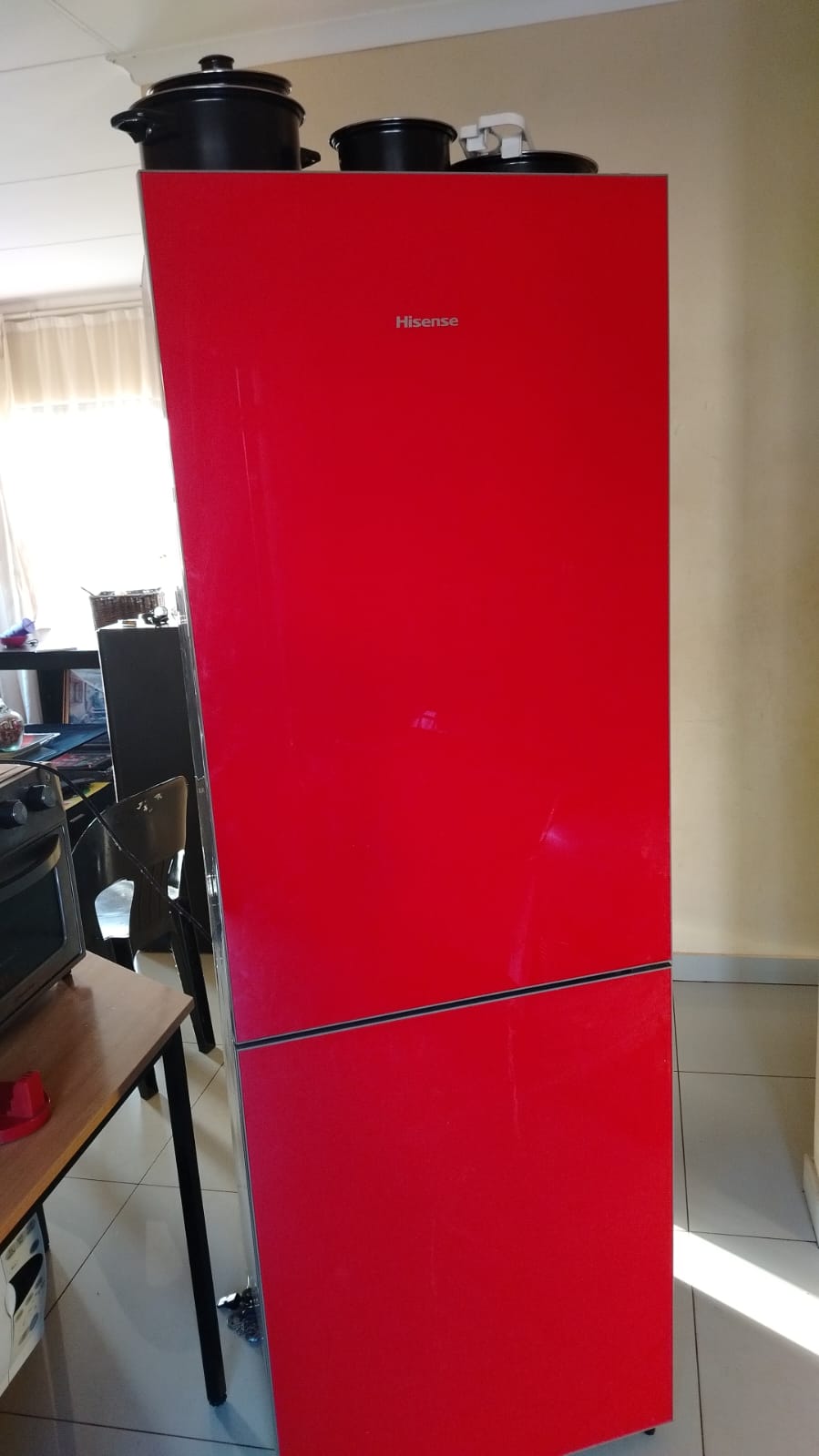
Hisense
Whirlpool
KIC
Kelvinator
Smeg
Siemens
Miele
AEG
Electrolux
Beko
Grundig
Gorenje
Haier
Fisher & Paykel
Refrigerant and parts availability depend on the exact model.
Appliance Repairs Umhlanga operates as an independent multi-brand repair company and does not claim manufacturer-authorised status unless expressly confirmed.
Our mobile technicians provide fridge regassing in Umhlanga and selected surrounding areas, including:
Umhlanga Ridge
Umhlanga Rocks
Umhlanga Central
Umhlanga New Town Centre
La Lucia
La Lucia Ridge
Sunningdale
Somerset Park
Izinga
Prestondale
Herrwood Park
Hawaan
Mount Edgecombe
Cornubia
Blackburn Estate
Glenashley
Umdloti
Selected Durban North suburbs
Same-day attendance depends on technician availability, booking time and the refrigeration system involved.
We do not assume that every fridge that is not cooling needs gas. The appliance is assessed before regassing is recommended.
Where a leak is suspected, the goal is to identify and address the cause rather than repeatedly topping up the system.
Our technicians work with refrigeration systems, electrical components and appliance controls using structured fault-finding methods.
Same-day assistance may be available for urgent residential and commercial cooling problems.
We assess household fridges, freezers, display units, beverage coolers and selected commercial equipment.
The gas type is confirmed from the appliance specifications before charging.
The system is charged according to relevant specifications and operating conditions rather than by guesswork.
The call-out fee is waived when the customer approves the quotation and our technician completes the repair.
If your fridge is not cooling:
Keep the doors closed
Move perishable food to working refrigeration
Photograph any error codes
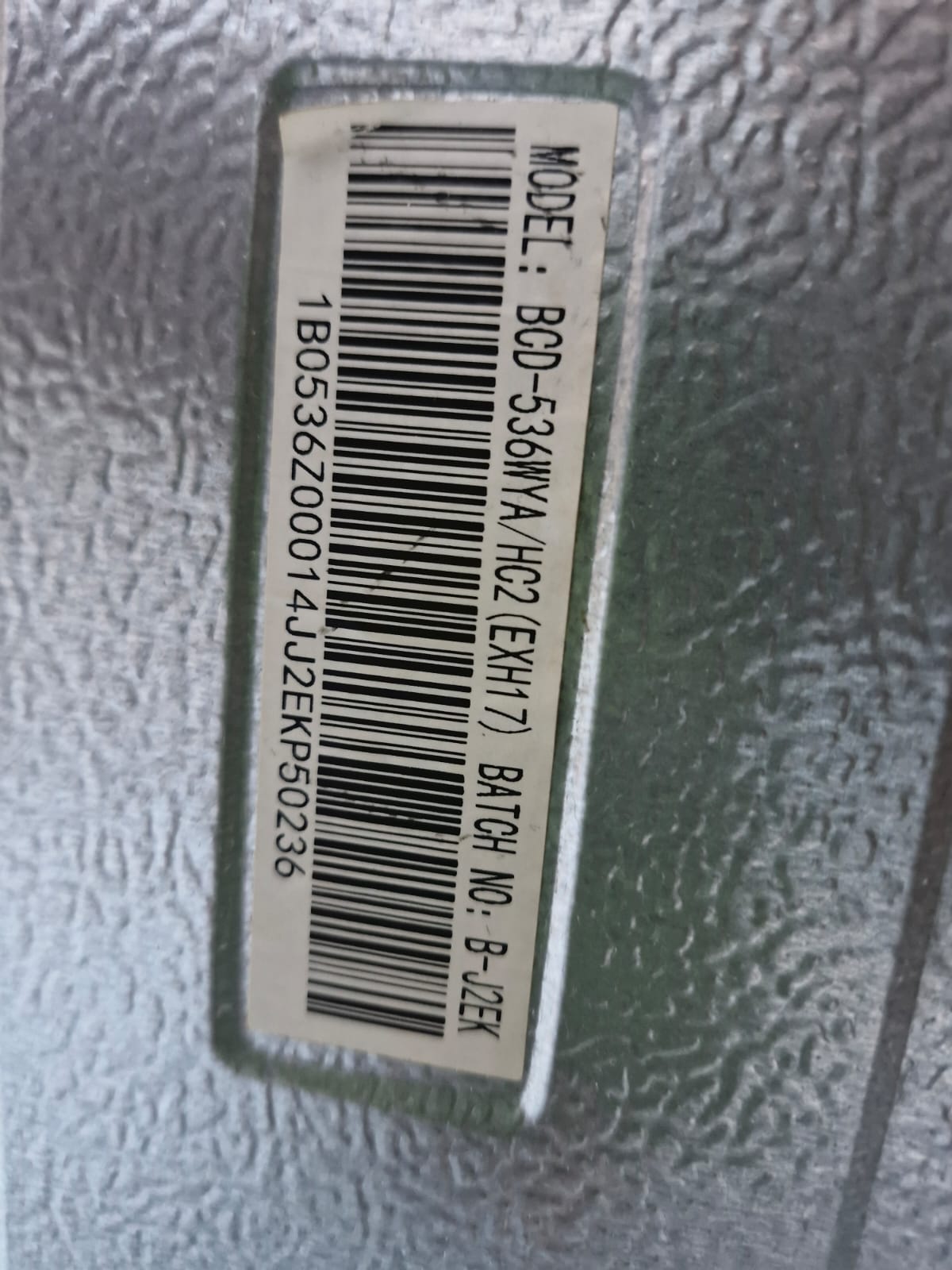
Take a photo of the model label
Avoid repeatedly switching the fridge on and off
Do not add refrigerant yourself
Do not puncture ice with sharp objects
Clear access around the fridge
Inform the technician of previous regassing or repairs
Switch the appliance off when there is smoke, sparking, severe overheating, electrical tripping or a burning smell.
Same-day onsite service may be available depending on booking time, technician schedules, location and the type of refrigeration system.
Common signs include weak cooling, continuous compressor operation and an incomplete frost pattern. However, these symptoms may also be caused by other faults, so diagnosis is necessary.
No. A fridge is designed as a sealed system. Low refrigerant normally indicates a leak, previous system work, restriction or another sealed-system problem.
Adding gas without diagnosis may result in only temporary cooling. Leak detection and system assessment should be completed where refrigerant loss is suspected.
The system may still have an unrepaired leak, incorrect refrigerant charge, compressor fault, restriction or another cooling-system problem.
No. Refrigerant type varies by brand and model. The correct type should be confirmed from the appliance label or technical specifications.
Using an incorrect refrigerant or charge can result in poor performance, abnormal pressure and compressor damage.
We assess selected R600a refrigerators. R600a is flammable and requires appropriate tools and safety procedures.
Yes. We assess selected display fridges, beverage coolers, upright commercial units and under-counter refrigerators.
Yes. Selected chest freezers can be assessed for refrigerant leakage, compressor performance and cooling-system faults.
Repairability depends on the location and extent of the puncture. Some evaporator damage can be repaired, while inaccessible damage may make replacement necessary.
The time depends on whether leak detection, pipe repair, evacuation or component replacement is required. A simple charge and a system repair are not the same service.
Cooling may begin during testing, but the appliance can require several hours to reach stable temperatures.
It may be, particularly when the leak is accessible and the fridge is otherwise in good condition. The technician must first assess the repairability of the system.
Yes. Selected side-by-side refrigerators can be assessed, but cooling problems may also involve fans, sensors, defrost systems or electronic controls.
Yes. Leak assessment forms an important part of refrigerant diagnosis where gas loss is suspected.
Compressor-related faults can be assessed. Replacement depends on appliance condition, compatibility and whether replacement is economically practical.
Switch it off immediately if there is smoke, sparking, severe overheating, electrical tripping, a burning smell or a suspected puncture releasing refrigerant.
We serve Umhlanga Ridge, Umhlanga Rocks, La Lucia, Sunningdale, Izinga, Prestondale, Mount Edgecombe, Cornubia, Umdloti and nearby areas.
Call or WhatsApp +27 79 976 2941 with your suburb, fridge brand, model number and cooling problem.
Do not keep operating a fridge that runs continuously without cooling. Delayed attention may lead to food spoilage, higher electricity consumption and further strain on the compressor.
Contact Appliance Repairs Umhlanga for professional refrigerant diagnosis, leak detection and fridge regassing in Umhlanga.
Call or WhatsApp:
+27 79 976 2941
Email:
info@appliancerepairsumhlanga.co.za
Address:
2 Ncondo Place, Ridgeside Drive, Umhlanga Ridge, Durban, 4319, South Africa

| Day | Standard Service Hours | Emergency Appliance Repair Support |
|---|---|---|
| Monday | 07:30 – 18:00 | Available after hours, subject to technician availability |
| Tuesday | 07:30 – 18:00 | Available after hours, subject to technician availability |
| Wednesday | 07:30 – 18:00 | Available after hours, subject to technician availability |
| Thursday | 07:30 – 18:00 | Available after hours, subject to technician availability |
| Friday | 07:30 – 18:00 | Available after hours, subject to technician availability |
| Saturday | 08:00 – 16:00 | Emergency bookings may be available |
| Sunday | By appointment | Emergency appliance repair support available, subject to availability |
| Public Holidays | By appointment | Urgent appliance and refrigeration support may be available |
For urgent breakdowns involving fridges, freezers, cold rooms, ice machines, geysers, gas appliances, electrical tripping or major water leaks, call or WhatsApp +27 79 976 2941.
Emergency attendance is subject to technician availability, location, appliance type, site access and parts availability. Same-day or after-hours service cannot always be guaranteed.
Professional onsite repairs for domestic and commercial appliances across Umhlanga and nearby areas. We repair fridges, washing machines, dishwashers, stoves, ovens, tumble dryers, air conditioners, geysers, ice machines, gas appliances and cold rooms.